
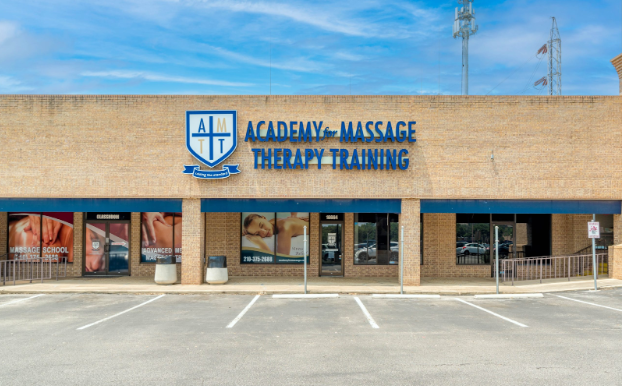
The field of massage therapy has grown from a niche wellness practice into a respected, regulated profession with opportunities in healthcare, sports, rehabilitation, and holistic wellness. For aspiring therapists, choosing the right massage therapy school is about more than location and cost—it’s about finding a program that offers an up-to-date, relevant curriculum that prepares graduates for real-world success.
Recent years have seen significant updates to training programs as schools adapt to new techniques, regulatory standards, and employer expectations. Whether you’re considering enrollment or upgrading your skills, it’s worth understanding the curriculum changes shaping the future of massage therapy education.
Emphasis On Evidence-Based Practices
Modern massage therapist schools are placing a stronger focus on evidence-based techniques. This means incorporating the latest research on how massage affects the body and tailoring treatments to specific medical conditions.
Students now study peer-reviewed clinical findings, learn to document treatment plans, and understand contraindications more thoroughly. This scientific approach bridges the gap between traditional massage and the clinical settings where therapists often work today.
Expanded Anatomy And Physiology Modules
While anatomy and physiology have always been core subjects, many schools are deepening these modules to meet healthcare industry standards. This includes:
- Advanced Musculoskeletal Anatomy – Learning not just muscles and bones, but also the fascia, nerve pathways, and joint mechanics.
- Pathophysiology – Understanding how diseases and injuries affect body systems.
- Palpation Skills – Training hands to identify subtle muscular imbalances or trigger points.
By mastering these areas, graduates are better prepared to collaborate with physical therapists, chiropractors, and other medical professionals.
Integration Of Specialty Modalities
Massage therapy programs now go beyond Swedish and deep tissue methods to include specialized techniques such as:
- Sports massage and injury prevention methods.
- Myofascial release and trigger point therapy.
- Prenatal and geriatric massage.
- Hydrotherapy and hot stone applications.
These additions make graduates more versatile and attractive to employers in spas, rehab centers, and athletic organizations.
Hands-On Clinical Hours And Real-World Experience
One of the biggest shifts in massage therapist school training is the increase in required clinical hours. Students are spending more time in supervised practice, working with real clients in on-campus clinics or partner facilities.
This immersive approach ensures they graduate with the confidence and skill to handle diverse client needs—from relaxation therapy to complex pain management.
Business And Marketing Skills
With many graduates pursuing self-employment, programs are adding business-oriented classes. Students learn:
- How to set up a private practice.
- Marketing strategies to attract and retain clients.
- Legal and ethical considerations for operating a wellness business.
This prepares them not only to be skilled therapists but also to thrive as business owners.
Technology In Training
Leading schools are embracing technology in both learning and practice. Virtual anatomy tools, digital client management systems, and online learning platforms make it easier for students to absorb material and manage their future practices.
Some programs also include introductions to emerging tools like massage chairs with AI-assisted settings, helping students stay ahead of industry trends.
Focus On Wellness And Self-Care
A profession built on physical and emotional connection can be demanding. That’s why many programs now include modules on therapist self-care—covering ergonomics, mindfulness, and injury prevention techniques to sustain a long, healthy career.
Final Thoughts
The role of massage therapy in healthcare and wellness is evolving rapidly, and the top massage therapist schools are keeping pace with curriculum updates that reflect current industry demands. From evidence-based techniques to business skills, today’s students receive a more comprehensive education than ever before.
Whether you’re starting fresh or upgrading your skills, enrolling in a program that emphasizes modern massage therapy training ensures you graduate ready for diverse opportunities in spas, clinics, sports organizations, and private practice. With the right foundation, your career as a massage therapist can be as rewarding as it is impactful.