
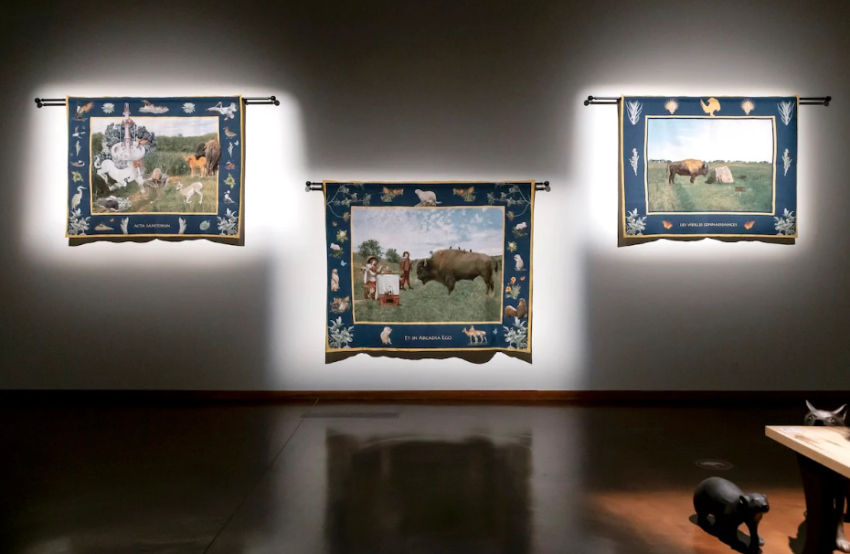
Woven art has held a place of honor in human culture for centuries. Once a symbol of wealth and prestige, tapestries served not only as decoration but also as insulation and storytelling devices. Today, the craft of a tapestry maker has adapted to fit modern lifestyles while retaining its heritage roots. By blending traditional weaving techniques with contemporary design sensibilities, these artisans create works that speak to both history and current interior trends.
Heritage Techniques Still In Use
The skill of a tapestry maker draws heavily from techniques established hundreds of years ago. Hand-weaving on looms, dyeing fibers with natural pigments, and building textured patterns are processes that remain central to the craft. These traditional elements ensure that each piece maintains authenticity and depth not easily found in mass-produced wall art.
In many studios, apprentices still learn these time-tested practices directly from master weavers, ensuring the continuity of cultural craftsmanship.
Modern Materials And Adaptations
While heritage techniques form the foundation, today’s tapestry maker also incorporates modern materials to meet the demands of contemporary interiors. Synthetic blends offer durability, while organic cottons and wools appeal to eco-conscious homeowners. Advances in dye technology allow for a broader spectrum of colors, giving designers freedom to match today’s trending palettes.
This combination of old and new provides balance: the structure of tradition with the flexibility of innovation.
Tapestry Customization For Modern Homes
One of the major shifts in the industry has been the rise of tapestry custom design. Rather than purchasing off-the-shelf pieces, homeowners increasingly want wall hangings that reflect their unique style, family history, or architectural themes.
Modern tapestry studios provide design consultations where clients choose imagery, motifs, and colors. Whether it’s a minimalist geometric design for a city loft or a pastoral landscape for a country home, customization ensures the final product complements its environment perfectly.
Contemporary Design Trends
Interior design continues to evolve, and the modern tapestry maker responds accordingly. Current trends highlight the following directions:
- Minimalist aesthetics – clean lines and muted tones.
- Nature-inspired designs – landscapes, botanicals, and organic textures.
- Global influences – patterns drawn from diverse cultural heritages.
- Mixed media – combining woven art with embroidery or digital prints.
These trends allow tapestries to remain relevant in both classic and cutting-edge interiors.
Role Of Custom Tapestries In Storytelling
A tapestry has always been more than decoration; it is a narrative woven into fabric. Modern homeowners are rediscovering this function. Through custom tapestries, families commemorate milestones, celebrate cultural roots, or capture artistic visions.
For example, a tapestry might depict a stylized family crest in a dining room or illustrate a favorite travel destination in a living space. The tactile quality of woven fabric adds richness that printed posters or digital frames cannot replicate.
From Workshops To Global Markets
Thanks to e-commerce and international shipping, the reach of a tapestry maker has expanded far beyond local markets. Artisans can now connect with global audiences seeking authentic, handmade décor. Online platforms make it easier for clients to preview designs, collaborate on custom work, and have the final piece delivered to their doorstep.
This access has revitalized the industry, offering makers new opportunities while bringing unique woven art into homes worldwide.
Sustainability In Craft
Another important factor shaping modern tapestry production is sustainability. Consumers increasingly prefer décor items that support eco-friendly practices. Many weavers now source locally produced yarns, use natural dyes, and minimize waste through careful planning of patterns. By integrating these sustainable choices, today’s tapestry maker appeals to environmentally aware buyers without compromising on aesthetics.
Conclusion
By combining traditional weaving methods with modern design trends, the contemporary tapestry maker continues to produce art that is both timeless and relevant. From heritage motifs to customized storytelling pieces, these textiles enrich homes while preserving a centuries-old craft. For those seeking a distinctive piece that highlights natural motifs and enduring artistry, a carefully woven floral tapestry offers the perfect blend of history, elegance, and style.