
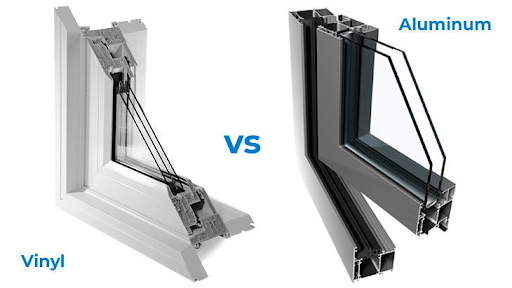
Windows play a much bigger role in office buildings than many people realize. Beyond simply letting in natural light, they impact energy efficiency, employee comfort, and the overall aesthetic of the workspace. When businesses evaluate options, the debate of vinyl windows vs aluminum windows often comes up. Both materials have advantages and drawbacks, and the right choice depends on factors like budget, design preferences, and long-term maintenance expectations.
The Case for Vinyl Windows
Vinyl has become a popular choice in both residential and commercial settings due to its versatility and cost-effectiveness.
Energy Efficiency
Vinyl frames are known for their excellent insulation. They reduce heat transfer, which can significantly lower energy bills for office buildings where heating and cooling expenses are major costs.
Low Maintenance
One of vinyl’s strongest advantages is how easy it is to maintain. Unlike other materials that may need repainting or refinishing, vinyl frames only require occasional cleaning to keep them looking fresh.
Cost-Effective
For office managers working within a budget, vinyl is often the more affordable choice upfront. When paired with the energy savings, it becomes a practical option for businesses seeking long-term value.
Aesthetic Options
Modern vinyl windows are available in various finishes and colors, making it easier to align with the building’s architectural design without breaking the bank.
The Case for Aluminum Windows
Aluminum, on the other hand, is favored for its durability and sleek, modern appeal.
Strength and Durability
Aluminum frames are highly durable and resistant to warping, cracking, or swelling. This makes them especially suitable for larger window spans commonly found in office buildings.
Slim Profiles
Thanks to their strength, aluminum frames can be manufactured with slimmer profiles, allowing for larger glass areas. This feature maximizes natural light, creating an open and modern office environment.
Longevity
When properly maintained, aluminum windows can last for decades. They withstand harsh weather conditions and are less likely to deteriorate compared to other materials.
Modern Look
For office spaces that want a sleek, professional appearance, aluminum provides a clean and contemporary finish that complements modern architectural styles.
Comparing Vinyl Windows vs Aluminum Windows in Key Areas
Energy Efficiency
Vinyl typically performs better at insulating. This can make a noticeable difference in energy bills, particularly for office buildings with significant square footage. Aluminum, while strong, tends to conduct heat and cold more easily unless thermal breaks are included in the design.
Maintenance Needs
Vinyl requires less maintenance overall, while aluminum may need repainting or special coatings to prevent corrosion, especially in humid or coastal climates.
Cost
Vinyl generally offers a more affordable upfront price, making it attractive for offices trying to minimize renovation costs. Aluminum, while more expensive, can offer value over time due to its longevity and resilience.
Durability
Aluminum has the edge in strength and durability. For office buildings in high-traffic urban areas or where large window spans are needed, aluminum often proves the better option.
Which Option Is Best for Your Office Building?
The final decision comes down to priorities. If cost and energy efficiency are the main concerns, vinyl provides an effective solution. If durability, strength, and a sleek modern appearance matter more, aluminum is likely the better fit. Many property managers even choose a combination—using vinyl in some areas for insulation and aluminum in others for durability and style.
Making an Informed Choice
When deciding between vinyl windows vs aluminum windows, consider not just the upfront price but also the long-term benefits. Energy efficiency, maintenance requirements, and aesthetic preferences all play a role in determining the best fit for an office building. Consulting with contractors or window specialists can also help businesses select the right product based on local climate and specific design goals.