
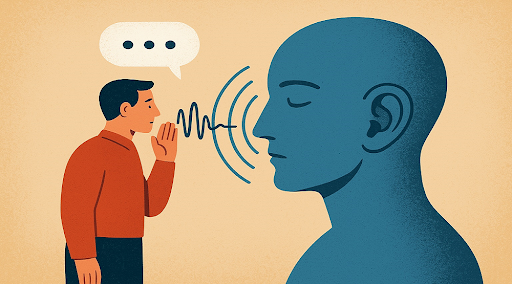
Rooms change by the minute. Doors open, people gather, air warms, and the sound shifts with every small movement. A modern system cannot just speak into that uncertainty. It needs to listen first, decide, and then respond. That is the quiet revolution behind adaptive audio.
Engineers now treat a venue like a living environment. Small microphones watch the room, measuring noise, echoes, and the way certain notes build in corners. Software studies those clues and suggests corrections within seconds. Levels fall a touch here, a narrow band softens there, and speech becomes easier to follow without turning anything up. Hardware helps, but awareness does most of the work.
This loop begins at the source. Before an announcement or a song plays, the system checks the background and maps where the energy should go. Arrays focus sound toward listeners and away from reflective surfaces. If a crowd forms near the entrance, the beam shifts to keep words clear near the counter while the seating area stays comfortable. With the right layout of commercial audio speakers, the plan turns into action rather than guesswork.
The approach looks technical, yet the goal stays human. People do not want a constant blast. They want clarity and ease. A school hallway should carry a principal’s message the first time without ringing. A hospital waiting room should give privacy without a blanket of noise. A store should feel inviting, not busy for the sake of being busy. Adaptive systems try to meet those needs by reading the space the way a person might, only faster.
Music follows the same rules. In a café, morning playlists can sound fresh and light, then mellow as the day slows. Sensors track the shift in conversation and make small adjustments so the bed sits just above the chatter. At peak hours, a gentle lift in presence helps the line move without raising voices. Late evening, a tiny roll off in the top end keeps glass and tile from adding glare. The experience feels planned even when the staff never touch a control.
The backbone is modeling. Algorithms estimate how a room will react, then compare that guess with real readings. If a mic hears a stubborn reflection, the processor delays a nearby zone by a few milliseconds so the wavefronts meet cleanly. If bass builds along a wall, the system trims a narrow slice and returns the balance. None of this claims to be perfect. Real spaces resist exact math. Still, each small fix reduces strain on the ear.
Adaptation also helps with safety. Public address can boost intelligibility when alarms trigger, then settle back once the message lands. Transit hubs can keep track numbers clear even as trains arrive and crowds surge. Stadiums can lift the call for exits without jolting the seats. The smart part is timing. The system changes only as much as it must, then stops.
Maintenance shifts from firefighting to routine. Each morning, a short test checks coverage and flags a weak channel. If a cabinet fails, the matrix lends support from a neighbor until a technician swaps units. Logs show average levels by zone and prove compliance with local limits. Teams spend less time chasing problems and more time serving guests.
The creative side benefits as well. Producers can write cues that move with a crowd. A tone can guide visitors through an exhibit, rising slightly at the next stop and fading behind. In theaters, a line can sit near the actor no matter where that actor stands, while effects widen or tighten to match the scene. With commercial audio speakers placed for pattern control, the system paints with precision instead of volume.
Costs may worry smaller sites, yet the tools now scale. Compact processors, careful tuning, and a few well aimed units can deliver most of the gain. The trick lies in intent. Listen to the room, make a modest change, listen again. Repeat until the space feels calm.
For More Info Visit:- officialadda.com