
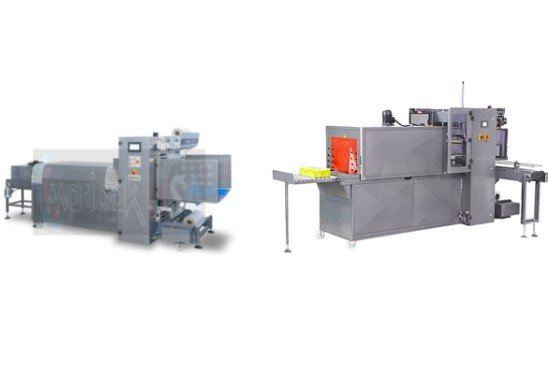
Efficient packaging is one of the pillars of modern logistics and product presentation. For manufacturers, distributors, and retailers, investing in shrink wrap machines can significantly reduce waste, improve package consistency, and enhance product protection. These machines also create a more professional appearance, which directly influences customer perception. In recent years, the addition of advanced features such as digital temperature control and automated feed systems has made them easier and safer to operate. Among the different types of shrink equipment now available, the polyolefin shrink machine has become a popular choice because of its strong seals, clarity, and eco-friendly material properties, making it ideal for food, pharmaceuticals, and consumer goods.
Why Proper Training Matters
Even with the most sophisticated packaging technology, success depends on operator knowledge. Employees who understand how to set up, run, and troubleshoot shrink wrap machines can minimize downtime and ensure consistent packaging quality. Proper training covers everything from machine warm-up times to selecting the right film thickness for various product sizes. It also reduces the risk of accidents, because workers are taught the correct way to load film rolls, adjust conveyors, and manage heat tunnels. When the workforce is well trained, companies see immediate benefits such as fewer rejected packages, higher throughput, and reduced maintenance costs.
Key Components Of An Effective Training Program
Safety Protocols
Safety must be the foundation of any training initiative. Workers should learn about the potential hazards associated with high temperatures, moving parts, and electrical components. Training should include personal protective equipment (PPE) requirements, emergency shut-off procedures, and clear signage around the machine. By embedding safety culture into daily operations, companies protect their employees while also extending the lifespan of their polyolefin shrink machine and other packaging assets.
Machine Familiarization
Each brand and model of shrink wrap machines may have unique control panels, settings, and loading systems. Training should walk employees through every feature, from film threading paths to temperature and conveyor-speed adjustments. Visual aids, such as diagrams and step-by-step videos, help reinforce learning. This hands-on approach ensures staff can quickly identify abnormal sounds, inconsistent sealing, or changes in film tension before they escalate into larger issues.
Film Selection And Handling
Choosing the correct shrink film is crucial for achieving strong seals and attractive package finishes. While PVC was once common, many businesses now prefer polyolefin film for its superior clarity and lower environmental impact. Employees should understand the differences in film thickness, shrink ratios, and perforation requirements. They should also be trained on proper storage conditions to prevent moisture absorption or contamination, which can compromise the performance of a polyolefin shrink machine.
Routine Maintenance Tasks
Preventive maintenance is another key part of training. Operators should learn to clean sealing bars, check conveyor belts for wear, inspect heat tunnels, and replace blades or Teflon covers as needed. When small tasks are performed regularly, major breakdowns become rare, extending the machine’s life and maintaining consistent packaging quality.
Incorporating Continuous Improvement
Initial training is only the starting point. Refresher courses, skill assessments, and performance tracking help ensure employees retain their knowledge. Introducing new packaging projects—such as switching to different product sizes or films—provides an opportunity to reinforce skills. Management should encourage feedback from operators to identify bottlenecks or design flaws that could be improved. By fostering a culture of continuous improvement, businesses can extract the maximum return on their investment in shrink wrap machines and related equipment.
Leveraging Technology For Training
Modern learning tools make training faster and more engaging. Interactive digital manuals, augmented-reality overlays, and touchscreen tutorials allow employees to practice settings in a virtual environment before operating the actual machine. This reduces errors during the first days of production and helps new hires gain confidence quickly. Some manufacturers also provide online certification programs for specific models of polyolefin shrink machine, which can be tracked and verified by supervisors.
Conclusion: Linking Training To Equipment Choices
The best training programs align closely with the types of machines a company uses. Investing in a high-quality polyolefin shrink machine makes it easier to achieve consistent results, but only if operators understand its capabilities and limitations. By pairing comprehensive instruction with regular refresher sessions, businesses can ensure their packaging lines run at peak efficiency. And when companies are planning to expand or upgrade their equipment, consulting experts about related systems—such as shrink film bundling equipment—helps them maintain seamless production as new technologies are integrated.