
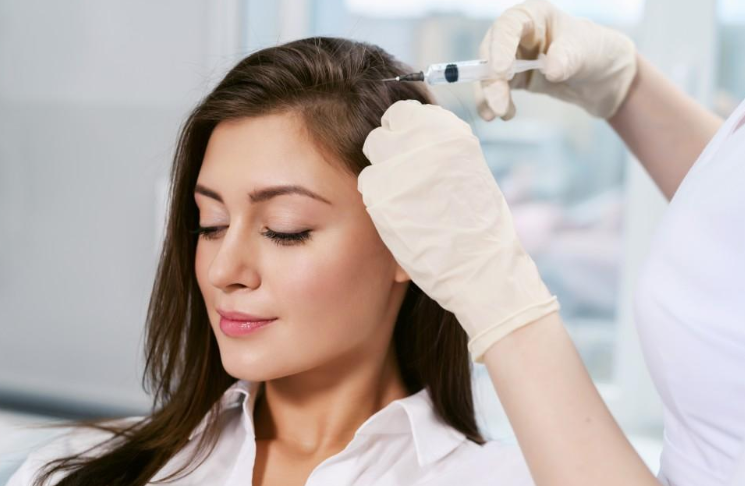
Hair loss can be a stressful and emotionally challenging condition, affecting both men and women at various stages of life. With countless remedies, products, and advice circulating online, distinguishing between myths and facts is essential for making informed decisions. Hair loss treatment in NJ focuses on evidence-based solutions, offering patients access to effective interventions while debunking common misconceptions that can hinder progress. Understanding the realities of hair restoration enables individuals to pursue safe and successful treatment options.
Common Myths About Hair Loss
Myth 1: Hair Loss Only Happens to Older Adults
A widespread misconception is that hair thinning affects only aging individuals. In reality, hair loss can begin as early as the late teens or early twenties, often due to genetic factors, hormonal changes, or underlying medical conditions. Early intervention can usually slow progression and improve outcomes.
Myth 2: Shampooing Frequently Causes Hair Loss
Many people believe that frequent washing weakens hair follicles. In reality, hair shedding during washing is a regular part of the hair growth cycle. Choosing the right hair care products and maintaining a healthy scalp are far more important than how often hair is shampooed.
Myth 3: All Hair Loss Treatments Work the Same for Everyone
The effectiveness of treatment varies based on the underlying cause, such as androgenetic alopecia, stress-induced shedding, or autoimmune disorders. What works for one person may not yield the same results for another, emphasizing the importance of personalized care.
Evidence-Based Facts About Hair Loss
Fact 1: Genetics Play a Key Role
Family history is one of the strongest predictors of hair loss. Understanding genetic predisposition allows healthcare providers to recommend proactive measures and set realistic expectations for treatment outcomes.
Fact 2: Early Treatment Improves Results
Prompt consultation with a qualified professional increases the likelihood of preserving existing hair and stimulating regrowth. Treatments such as topical minoxidil, oral medications, or low-level laser therapy are most effective when started early.
Fact 3: Lifestyle Factors Influence Hair Health
Nutrition, stress management, and overall wellness have a significant impact on hair quality. Deficiencies in iron, vitamin D, or protein can exacerbate thinning, while chronic stress can trigger telogen effluvium, a temporary shedding condition. Incorporating balanced nutrition and healthy habits supports the effectiveness of treatment.
Fact 4: Scalp Health Matters
A healthy scalp promotes robust hair growth. Regular cleansing, gentle massage, and targeted treatments for conditions like dandruff or dermatitis create an optimal environment for hair follicles to thrive.
Available Hair Loss Treatments in NJ
Topical and Oral Medications
- Minoxidil: An FDA-approved topical solution that stimulates follicles and promotes regrowth.
- Finasteride: An oral medication for men that reduces DHT levels, a key factor in androgenetic alopecia.
Advanced Therapies
- Platelet-Rich Plasma (PRP): Uses patient-derived platelets to enhance follicle activity.
- Low-Level Laser Therapy (LLLT): Stimulates follicles with targeted light energy, improving density over time.
Surgical Solutions
For advanced hair loss, procedures such as hair transplants offer long-term restoration. Follicular unit extraction (FUE) and follicular unit transplantation (FUT) techniques offer natural-looking results with minimal scarring.
Personalized Treatment Plans
A tailored approach considers age, gender, the cause of hair loss, and lifestyle factors. Combining therapies, monitoring progress, and adjusting protocols ensures optimal outcomes for each patient.
Debunking Misconceptions Around Hair Loss
Fact vs. Fiction in Home Remedies
While some natural oils or supplements can support scalp health, they rarely reverse significant hair loss. Patients should rely on clinically validated treatments rather than anecdotal solutions to prevent frustration and wasted resources.
Understanding the Timeline
Hair restoration is gradual. Unrealistic expectations can lead to disappointment. Most evidence-based treatments show noticeable improvement within three to six months, with continued use required for sustained results.
Importance of Professional Guidance
Consulting a qualified provider ensures correct diagnosis, proper treatment selection, and ongoing monitoring. Self-diagnosis or reliance on online recommendations can delay effective intervention and exacerbate hair thinning.
Conclusion
Evidence-based therapies, combined with lifestyle support, provide the best chance for preserving existing hair and achieving noticeable regrowth. From medications and advanced therapies to surgical options, patients have multiple avenues to effectively address hair thinning. Early consultation, realistic expectations, and professional guidance are key components of successful outcomes. For those seeking personalized evaluation and treatment options, a consultation with a dermatologist in Paterson, NJ can provide expert insights and tailored solutions to protect hair health and restore confidence.