
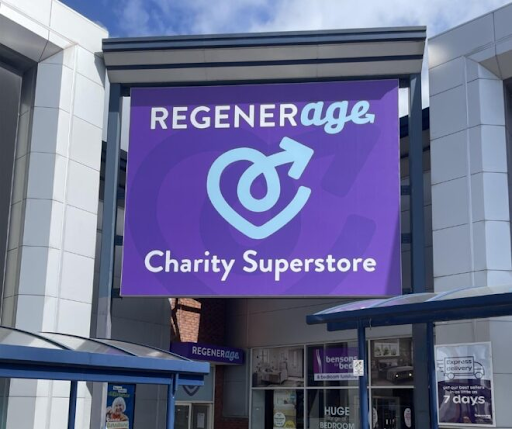
Large-scale retail spaces have evolved into more than just shopping destinations. Increasingly, they are being repurposed to support charitable causes and local communities. A charity superstore stands out as one of the most effective ways to raise funds while giving donated items a second life. By combining the appeal of affordable shopping with a mission-driven purpose, these stores help finance programs that directly impact people in need.
The Concept Behind A Charity Superstore
Unlike smaller shops, a charity superstore operates in larger premises, often with warehouse-style layouts. This allows for a wider variety of goods, including clothing, furniture, electronics, and even books or household items. The scale alone attracts more shoppers, ensuring higher sales volumes and, ultimately, greater contributions to community programs.
The model is simple yet powerful: individuals donate unwanted items, volunteers and staff organize them, and the proceeds from sales go toward local initiatives such as food banks, shelters, or educational services.
Expanding Retail Categories
A unique advantage of a charity superstore is its ability to stock a broad range of categories. Shoppers can often find everything from gently used sofas to brand-new apparel donated by businesses clearing inventory.
This variety creates a department-store feel while keeping prices accessible. By making second-hand shopping more appealing, these superstores broaden their customer base and maximize fundraising potential.
Community Engagement And Donations
Engagement is a critical factor in the success of any charity superstore. Local communities are encouraged to donate items, volunteer time, or simply shop with purpose. The visibility of a large retail space increases awareness, prompting more people to contribute.
Many organizations also partner with schools, businesses, and local councils to boost donation drives. This steady flow of contributions ensures that inventory remains fresh and diverse, keeping customers coming back.
How Funds Are Directed
One of the main questions shoppers ask is how the money is used. A charity shop superstore typically dedicates profits to specific community programs. These may include:
- Health and social care support for vulnerable individuals.
- Youth programs such as after-school activities or mentorship initiatives.
- Housing support for homeless or at-risk residents.
- Food distribution projects targeting low-income households.
Clear communication about how funds are allocated builds trust with shoppers and donors, making them more likely to continue supporting the store.
Employment And Skill Development
A charity superstore not only raises funds but also creates opportunities for employment and skill-building. Volunteers gain retail experience, learn customer service skills, and contribute to a team-oriented environment. For those re-entering the workforce or seeking career development, these roles offer valuable stepping stones.
Some stores also collaborate with job-training programs, providing pathways for individuals who may face barriers to traditional employment.
Environmental Impact
Another benefit is sustainability. By reselling donated items, a charity superstore keeps usable goods out of landfills. This reduces waste and promotes a circular economy, where resources are reused rather than discarded. The environmental mission resonates with eco-conscious shoppers, adding another reason for people to support these initiatives.
Creating A Social Hub
Beyond shopping, many charity superstores evolve into community hubs. Some incorporate cafés, workshops, or event spaces, creating places where people can gather and connect. This strengthens local networks while reinforcing the idea that the store exists for more than just commerce—it exists for community well-being.
Conclusion
A charity superstore combines the scale of retail with the heart of philanthropy. By selling donated goods, these stores generate vital funds that sustain programs supporting health, housing, education, and food security. They also create opportunities for employment, encourage recycling, and provide inclusive spaces where communities thrive.
For those searching for ways to give back, supporting a charity superstore near me offers a direct path to making an impact—every purchase, donation, or volunteer hour contributes to building stronger, more resilient local communities.