
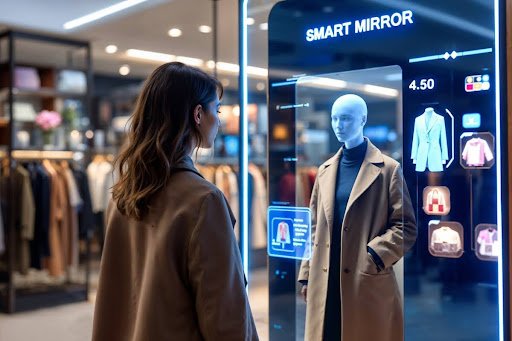
Let’s be real—most businesses don’t just want to impress their customers anymore. They need to understand them, anticipate them, and respond before things even go sideways. Whether you’re dealing with banking, healthcare, travel, or retail, everyone’s racing to figure out how to serve people better, faster, and smarter.
That’s where AI services come into play. They’re not just a passing trend or some buzzword your competitors keep throwing around in pitch decks. Companies using AI smartly are finding new ways to cut the nonsense and get straight to giving customers what they actually want.
So, how exactly are these services reshaping customer experience? And what should you be thinking about if you want to stay in the game?
Let’s break it down.
1. Making Support Way Less Painful
Think about the last time you had to talk to customer service. Did you wait on hold? Get transferred four times? End up more frustrated than when you started?
Yeah. It’s broken.
Now companies are turning to chatbots and virtual assistants to handle that first layer of support. Not the annoying ones that say “I don’t understand” 10 times before giving up. We’re talking smart tools that actually learn from past interactions and give real answers.
And when it gets too complex? These systems route the issue to a human without making the customer repeat everything. That alone makes people more likely to come back.
What’s running behind the scenes? That’s where an ai development service comes into play—building the backend that connects all these tools together, so everything feels seamless from the user’s side.
2. Personalization That Doesn’t Feel Creepy
Remember when you’d walk into your local shop, and they already knew your name and what you liked? That kind of personal touch is what companies are trying to recreate at scale.
Except now, they’re not guessing. They’re using customer data—browsing history, past purchases, even the time you open their emails—to offer up smarter suggestions and better deals.
In retail, that could mean personalized product recommendations. In banking, maybe it’s helping you set smarter savings goals based on your habits. In travel? Suggesting a hotel you’re probably going to love based on where you’ve stayed before.
None of this is possible without the people who hire AI developers to build these tools from scratch or fine-tune them to fit specific business needs.
Done right, personalization builds trust. It makes customers feel seen. Just don’t get weird with it.
3. Speeding Up Everything Behind the Curtain
A big part of customer experience has nothing to do with the front-facing app or website. It’s the stuff customers don’t see—inventory systems, payment processing, fraud detection.
Here’s the deal: if these systems are slow or broken, the customer experience suffers.
AI is helping companies automate these back-end processes. Not just automate—but predict problems before they happen. For example, spotting a payment issue before the customer gets declined, or detecting unusual behavior that could mean fraud.
Healthcare providers use similar tools to manage patient records, flag high-risk cases, or even schedule appointments more efficiently. Logistics companies use AI to plan better delivery routes, saving time and fuel.
That kind of automation isn’t possible without support from an ai development service that understands the specifics of what each business actually needs.
4. Smarter Hiring = Better Service
Here’s a question: who’s building, managing, and improving all these systems?
That’s right—people. And hiring the right ones is just as important as the tech itself.
A solid AI Hiring Platform helps businesses find the right talent without wasting months filtering through hundreds of resumes. These platforms use smart screening methods, past hiring data, and skill-based evaluations to make sure companies don’t just hire fast—they hire right.
Whether a company wants to hire ai developers for a short-term project or build an in-house team, these platforms give them a head start.
Better hires lead to better product design, better support, and overall smoother experiences for customers.
5. Real-Time Feedback Actually Used for Something
Plenty of companies ask for feedback. Not all of them do anything with it.
Now, with the right systems in place, businesses can analyze that feedback in real time. We’re not talking just about surveys. This includes online reviews, social media mentions, customer emails—basically, any time a customer says something, it gets picked up and sorted.
If complaints about a checkout page spike suddenly? The system flags it. If a product keeps getting praised for one specific feature? Marketing knows exactly what to highlight next time.
All of this requires tools built by experts—another reason businesses are looking to hire ai developers instead of trying to piece it together themselves.
6. Consistency Across Channels
Let’s say a customer asks a question via live chat, follows up by email, and then calls a few days later. In most cases, they have to explain everything again.
That’s not just annoying—it’s avoidable.
When AI systems are properly set up, they collect and connect data across channels. So whether it’s phone, email, chat, or even in-store interactions, the business has the full picture.
Customers don’t care how your systems work. They just want to get help quickly and not feel like they’re starting over every time.
To get this level of connection, companies usually partner with an ai development service that can handle the backend stitching needed to make everything talk to each other.
7. AI for Every Industry (Yep, Even That One)
This shift in customer experience isn’t just happening in tech companies or big retailers. Here’s a quick peek at how different industries are jumping in:
- Healthcare: Faster patient intake, smarter scheduling, and virtual follow-ups.
- Finance: Fraud detection, instant loan approvals, and tailored advice.
- Hospitality: Smarter booking systems, room customization, and faster check-in.
- Education: Adaptive learning paths, progress tracking, and personalized tutoring.
- Real Estate: Smart matching between listings and buyer preferences.
Pretty much anywhere people interact with businesses, AI is creeping in to make that interaction smoother.
And it’s not just about automation or cutting costs. It’s about creating something that actually works better for the person on the other side.
So, What’s Next?
AI is already changing how people experience businesses. And the companies that move first? They’re not just ahead—they’re the ones customers remember.
If you’re on the fence about using AI tools, ask yourself this:
- Are your customers getting what they need, fast?
- Are you giving them a reason to come back?
- Are your internal teams buried in work that a machine could handle better?
If the answer’s no—or even maybe—it might be time to explore your options. Whether you’re considering an AI Hiring Platform to grow your team or want to hire ai developers for a new product idea, don’t wait until your competitors leave you behind.
The good news? You don’t need to reinvent everything overnight. Start small. Work with a reliable ai development service. Test it, tweak it, build on what works.
Customer expectations won’t slow down. And your business shouldn’t either.