
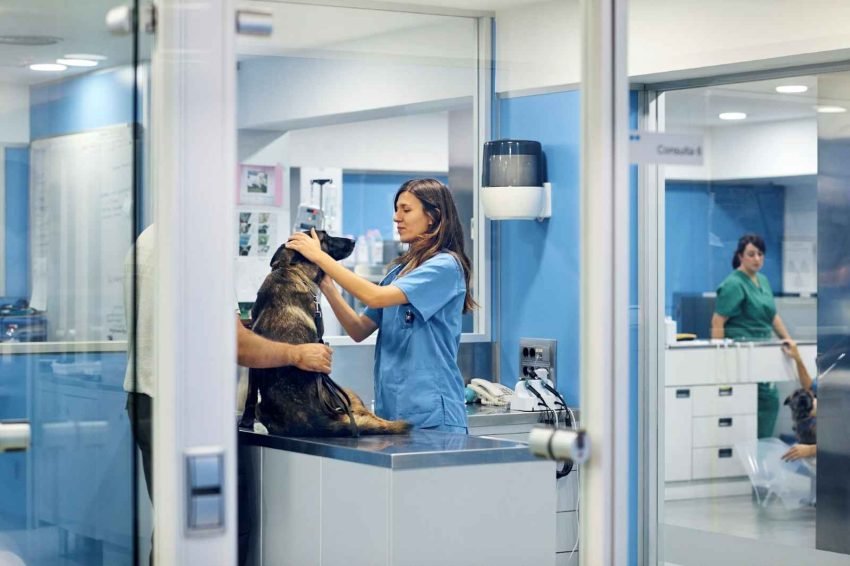
Selecting the right veterinary facility is a crucial decision that impacts your pet’s well-being and long-term health. A professional animal health clinic does more than provide routine check-ups; it combines preventive care, emergency interventions, diagnostics, and treatment options tailored to each pet. Understanding the key factors to evaluate when choosing a clinic ensures your pet receives high-quality, compassionate, and reliable care. This knowledge empowers owners to make informed decisions that optimize the health, comfort, and longevity of their companion animals.
1. Expertise and Qualifications
The quality of care depends largely on the credentials, experience, and ongoing training of veterinarians and support staff.
- Certified Veterinarians:
Licensed veterinarians with specialized training bring extensive knowledge in diagnosing and treating a wide range of conditions. Their expertise ensures accurate assessments, safe procedures, and effective treatment plans tailored to each pet’s unique needs. Choosing a clinic with certified professionals provides confidence in receiving high-quality, reliable veterinary care. - Continuous Learning:
Clinics that emphasize ongoing education ensure their staff stays updated on the latest medical techniques and innovations. Regular training enables the team to adopt new procedures, equipment, and treatment approaches for optimal patient care. Continuous learning guarantees that pets benefit from modern, evidence-based veterinary practices at every visit. - Support Staff Proficiency:
Skilled technicians and nurses play a critical role in facilitating smooth examinations and procedures. Their ability to monitor patients closely enhances safety and contributes to accurate outcomes during treatments. Proficient support staff also improve the overall clinic experience, ensuring pets feel comfortable and well-cared-for throughout their visit.
2. Range of Services Beyond Routine Visits
A modern clinic should provide services that cover all aspects of pet health, from preventive measures to advanced diagnostics.
- Preventive Health Programs:
Vaccinations, parasite control, and wellness plans are essential to prevent common illnesses and maintain overall pet health. Regular preventive care minimizes the risk of chronic conditions and helps detect potential issues early. Structured programs ensure pets remain healthy and active, reducing the need for extensive treatments later. - Diagnostics and Testing:
Blood work, imaging, and laboratory tests provide a comprehensive view of a pet’s internal health. Early identification of abnormalities allows veterinarians to intervene promptly, improving treatment outcomes. Regular diagnostics support proactive healthcare planning and long-term wellness monitoring. - Therapeutic and Surgical Options:
Access to minimally invasive procedures, dental care, and surgical interventions ensures pets receive complete treatment.
These options allow for accurate management of injuries, chronic conditions, or disease progression.
Continuity of care within the same clinic improves safety, convenience, and recovery for pets. - Nutrition and Behavioral Guidance:
Personalized diet and behavioral plans promote healthy growth, weight management, and mental well-being. Guidance from veterinarians addresses breed-specific requirements, chronic conditions, or lifestyle needs. Combining nutrition and behavioral support ensures pets lead healthier, happier, and more balanced lives. - Emergency Services:
Immediate attention to accidents, trauma, or sudden illnesses can be critical and potentially life-saving. Clinics with 24/7 emergency capabilities provide rapid stabilization and treatment when every minute counts. Having access to reliable emergency care reduces complications and ensures peace of mind for pet owners.
3. Facility Infrastructure and Equipment
The clinic’s physical setup and technology reflect its ability to provide precise, safe, and efficient care.
- Advanced Diagnostics:
State-of-the-art imaging, laboratory equipment, and endoscopy tools allow for precise evaluation of complex conditions. Early detection of diseases or abnormalities ensures timely intervention and better health outcomes for pets. Advanced diagnostics support veterinarians in creating accurate treatment plans tailored to each animal’s needs. - Clean, Safe Environment:
Sterile treatment rooms and strict infection control protocols minimize the risk of contamination and illness. A clean environment ensures the safety of pets during examinations, procedures, and surgeries. Maintaining high hygiene standards reflects the clinic’s commitment to professional, quality care. - Comfort-Oriented Spaces:
Separate areas for cats and dogs, quiet examination rooms, and soothing designs help reduce animal stress. Comfort-focused spaces make visits less intimidating, ensuring pets remain calm during treatment. A stress-free environment contributes to better cooperation, more accurate assessments, and a positive overall experience. - Digital Integration:
Electronic health records streamline appointment scheduling, track medical history, and improve communication with owners. Digital systems allow veterinarians to access previous reports, test results, and treatment notes instantly. Integration of technology enhances accuracy, efficiency, and continuity of care for every pet.
4. Reputation, Reviews, and Community Engagement
A clinic’s reputation is a strong indicator of quality, reliability, and consistent service standards.
- Verified Testimonials:
Positive reviews from clients provide insight into the clinic’s consistency, professionalism, and successful treatment outcomes. Testimonials help prospective pet owners gauge the quality of care and reliability of services offered. They reflect real experiences, building trust and confidence in choosing the clinic for their pets’ health. - Professional Recognition:
Affiliations, certifications, and industry awards indicate the clinic adheres to high veterinary standards and best practices. Recognition from professional bodies validates the expertise of veterinarians and the quality of services provided. Choosing a recognized clinic ensures pets benefit from competent, knowledgeable, and reputable care. - Community Involvement:
Participation in educational campaigns, pet wellness programs, and public outreach shows a clinic’s dedication beyond routine services. Active involvement helps raise awareness about preventive care, responsible pet ownership, and health initiatives. Community engagement demonstrates the clinic’s commitment to holistic pet health and social responsibility. - Long-Term Client Relationships:
Clinics with loyal, returning clients indicate dependable, consistent, and high-quality care over time. Strong relationships reflect trust, effective communication, and satisfaction among pet owners. Long-term client retention serves as a reliable measure of the clinic’s credibility and service excellence.
Final Thoughts
Selecting the right animal health clinic requires careful evaluation of staff expertise, the breadth of services offered, facility standards, communication quality, and overall reputation. A professional clinic not only provides preventive care, advanced diagnostics, personalized treatment plans, and emergency support but also ensures compassionate, attentive service tailored to each pet’s needs. This comprehensive approach promotes long-term health, early detection of potential issues, and overall well-being, giving pet owners confidence in their companion’s care.
For owners seeking comprehensive and reliable veterinary care, scheduling a vet general check-up in Dubai at a trusted facility like Pet Point Veterinary Clinic ensures access to highly skilled veterinarians, state-of-the-art equipment, and a full spectrum of diagnostic and therapeutic services. With a focus on personalized, compassionate care, Pet Point Veterinary Clinic supports the long-term health, comfort, and happiness of every pet while providing expert guidance, preventive strategies, and ongoing support for a lifetime of wellness.