
Navigating markets confidently requires more than just luck or intuition in the field of trading. A successful trading journey hinges on understanding the essential tools that make a trading app truly effective, especially when you’re active in arenas like the NSE market or exploring various global asset classes. Whether you’re a beginner logging into the trading platform for the first time or a seasoned trader looking to sharpen your edge, knowing the right tools can transform your experience and decisions.
This comprehensive guide walks you through the key utilities and features that every trader should know. These tools help you analyze markets, manage risk, optimize your workflow, and make smarter decisions on your app for trading of choice.
1. Real‑Time Market Data and Quotes
At the heart of any best trading platform lies real‑time market data. This isn’t just about watching numbers change; it’s about receiving up‑to‑the‑second pricing, volume, and market depth information that reflects current supply and demand. Without accurate live data, your trading decisions can be delayed and less informed.
For traders focused on the NSE market, real‑time data enables you to gauge price movements and market sentiment instantly. This is crucial for scalping, intraday trading, or when placing limit orders that depend on precise price levels.
When choosing an app for trading, ensure it offers robust live feeds and minimal lag so that your decisions are based on accurate market conditions.
2. Advanced Charting Tools
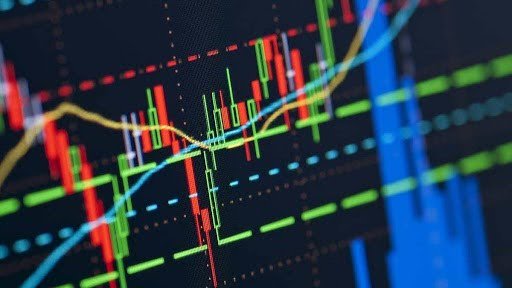
Charts are the visual backbone of market analysis. A powerful app for trading should include customizable and interactive charts. You can use these for trend spotting, identifying support and resistance levels, and drawing key patterns.
Common chart features include:
- Candlestick and line charts
- Technical indicators such as moving averages, RSI, and MACD
- Trend lines and drawing tools
Advanced charting enables you to interpret price behavior over different timeframes — from minutes in day trading to weeks for longer swing trades.
3. Technical Indicators and Overlays
Technical indicators are algorithms that help traders make sense of price movement. For example, tools like the Supertrend indicator or Ichimoku charts provide insights into trends, momentum, and potential entry/exit signals.
These indicators appear directly on your charts and help traders customize strategies according to volatility or trend direction. A trading platform often allows you to choose and overlay several indicators to refine your analysis.
When learning how to use a trading app, understanding how and when to use these tools can separate informed traders from guesswork.
4. Watchlists and Alerts
Managing multiple securities simultaneously is much easier with watchlists. These let you monitor selected stocks, indices, or commodities in one place. For traders on the NSE market, custom watchlists can track favorite equity futures, options, and benchmark indices.
In addition, alerts are essential:
- Price alerts notify you when a security hits a key level
- News alerts keep you informed about events that could affect markets
- Execution alerts update you when orders are filled
Integrating alerts into your app for trading workflow ensures you never miss an opportunity while reducing the need to constantly watch screens.
5. Order Types and Execution Tools
An app for trading is only as good as its order execution capabilities. Advanced platforms offer more than basic market buy/sell orders. Important order types include:
- Limit Orders: Set the exact price you want to trade at
- Stop‑Loss Orders: Automatically exit a trade when losses reach a certain level
- Take‑Profit Orders: Secure profits by exiting at set targets
These tools help you manage risk and automate parts of your trading strategy. Whether dealing with equity futures on the NSE market or currency pairs, having flexible orders ensures you execute trades effectively even under volatile conditions.
6. Risk Management Tools
Good risk management is a defining trait of successful traders. Your app for trading should include features that help preserve capital, including:
- Position sizing calculators
- Risk/Reward ratio tools
- Stop‑loss and trailing stop mechanisms
Some platforms also provide estimated margin requirements useful for futures, options, or leveraged trades. Understanding how much risk you are taking per trade keeps losses manageable and helps you stay in the game longer.
7. Backtesting and Strategy Tools
Before committing real capital, experienced traders test strategies using historical data. This process, called backtesting, lets you see how a set of rules would have performed in the past.
Not all trading app platforms include built‑in backtesting, but those that do, especially among the trading platform offerings, empower you to refine and validate your approach before deploying it live.
8. Portfolio and Performance Analytics
Tracking how your trades perform over time is key to growth. Analytics features help you:
- Review win/loss ratios
- Monitor realized and unrealized gains
- Analyze performance by asset class
Some platforms provide visual performance charts that depict monthly returns or compare your results to a benchmark like the NSE market index.
9. Educational Resources and Support
An app for trading that includes learning resources can greatly accelerate your growth as a trader. Tutorials, webinars, and guides help users interpret markets and apply tools effectively. Beginners and advanced users alike benefit from resources that explain practical concepts like leverage, margin, and basic technical analysis.
10. Security and User Experience
Finally, strong security measures such as two‑factor authentication and encrypted connections are indispensable for protecting your financial data within an app for trading. A clean, intuitive interface also makes features more accessible and reduces the learning curve, whether you’re exploring the NSE market or global assets.
Conclusion
Navigating markets without the right tools is like sailing without a compass. A good trading app provides real‑time data, advanced analysis, flexible orders, and risk management to support all traders. Leveraging these tools gives you an edge in the derivatives or global assets. Choosing the best trading platform ensures smarter, more efficient trading decisions.
SkyTrade is a next‑gen app for trading, offering real‑time market access across global markets. With advanced charting tools, fast execution, intuitive design, and multiple asset classes, it aims to be the best among the trading platforms for both beginners and experienced traders. Enjoy flexible payments, responsive support, and comprehensive analytics to trade confidently and efficiently.