
Maintaining a good credit score is critical in today’s financial landscape. A high CIBIL score not only enhances your chances of loan approvals but can also reduce the cost of borrowing. If you’re asking yourself, “how to increase my CIBIL score?” you’re in the right place. This article outlines a foolproof six-month plan to improve your CIBIL score, ensuring that your financial dreams, such as securing a 10 lakh loan with manageable EMIs for 7 years, become a reality.
Understanding Your CIBIL Score
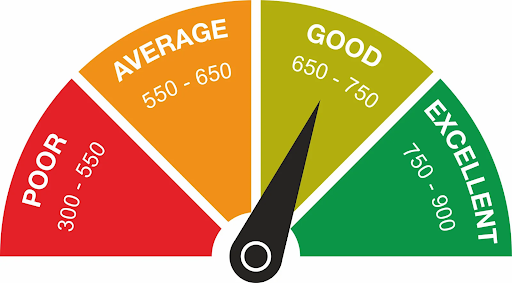
Before diving into strategies to improve your CIBIL score, it’s essential to understand what it is. CIBIL, or Credit Information Bureau (India) Limited, is one of the leading credit score providers in India. The CIBIL score ranges from 300 to 900, with a score above 750 considered good. Lenders assess this score to gauge your creditworthiness. A low score could hinder your ability to secure loans or attract higher interest rates.
Step 1: Assess Your Current CIBIL Score
The first step to improving your score is determining your current CIBIL score. You can obtain a free copy of your credit report once a year. Review it carefully for any discrepancies, such as late payments, high credit utilization, or inaccuracies. Disputing errors can significantly boost your score.
Step 2: Pay Your Bills on Time
One of the most vital factors affecting your CIBIL score is your payment history. Late payments can severely impact your score. If you want to know how to increase my CIBIL score effectively, focus on making timely payments. Here are some strategies to enhance your payment habits:
- Set Up Automated Payments: Use bank features to automate your bill payments.
- Create Reminders: Schedule alerts for due dates.
- Prioritize Payments: Make your credit card dues a priority and pay more than the minimum to reduce outstanding balances.
By committing to on-time payments, you lay a strong foundation for an improved CIBIL score.
Step 3: Reduce Your Credit Utilization Ratio
Your credit utilization ratio is the percentage of your available credit that you are currently using. Ideally, this should be below 30%. High utilization can negatively affect your score. Here’s how to improve it:
- Pay Off Balances: Try to pay off any outstanding credit card balances.
- Increase Credit Limits: Request an increase in your credit limits, which can help lower your ratio if your spending remains the same.
- Spread Out Borrowings: If possible, avoid maxing out your credit cards. Use multiple cards efficiently to maintain a low utilization ratio.
Step 4: Diversify Your Credit Mix
A healthy mix of credit types (secured loans, unsecured loans, credit cards) can positively impact your CIBIL score. Here’s how to diversify your credit portfolio:
- Consider Unsecured Loans: If you only have secured loans like a home loan, consider taking out an unsecured personal loan or a credit card.
- Avoid Over-Diversification: While diversification helps, avoid taking too many loans at once, as this can lead to a temporary dip in your score.
Step 5: Avoid New Hard Inquiries
Whenever you apply for a new credit line, lenders conduct a hard inquiry, which can temporarily decrease your CIBIL score. To manage your score effectively:
- Limit Loan Applications: Only apply for credit when necessary, especially within six months.
- Research Before Applying: Ensure you meet eligibility criteria before submitting applications.
Step 6: Take Advantage of Credit Counseling
If you’re struggling to manage your debts or improve your credit score, professional credit counseling can be beneficial. Counselors can help you devise a practical plan tailored to your financial situation. They can also provide insights into better financial habits that can enhance your credit score.
Step 7: Monitor Your Progress Regularly
As you implement these strategies, it’s crucial to track your progress. Keep an eye on your CIBIL score using credit monitoring services. These can alert you to any sudden changes or factors affecting your score.
Common Misconceptions About CIBIL Scores
- Myth: Checking your own score will lower it.
- Truth: Checking your own score is a soft inquiry and won’t affect it.
- Myth: Closing old credit accounts will improve my score.
- Truth: Closing old accounts can negatively impact your score as it reduces your credit history length.
Conclusion
Improving your CIBIL score in six months is achievable with a dedicated plan. By understanding your current score, adhering to timely payments, managing your credit utilization, diversifying your credit mix, and being cautious about new inquiries, you can significantly boost your score. Whether you want to secure a 10 lakh loan EMI for 7 years or meet any other financial goals, a good score opens doors to better financial opportunities.
Remember, improving your CIBIL score requires discipline and patience. Implement these tips consistently, and by the end of six months, you’ll see a marked improvement in your credit score, leading to easier approvals and better terms on future loans. Take charge of your financial health today, and watch your dreams come closer to reality!