
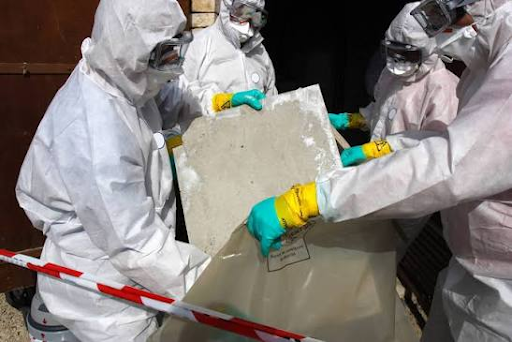
Asbestos can become a major concern for firms operating in older commercial buildings during renovations, refurbishments, upkeep, or demolition. Asbestos-containing materials can be found in roofing, wall and ceiling sheeting, insulation, flooring, and other building components.
The challenge is more than just recognising asbestos. Commercial projects necessitate careful planning, suitable controls, competent specialists, and proper disposal. This is why organisations searching for commercial asbestos removal Melbourne services typically evaluate vendors based on more than just price.
Why commercial asbestos removal requires specialist expertise
Asbestos was frequently employed in Australian buildings for decades. Although its use is currently restricted, older properties may still contain asbestos-containing materials.
The risk increases when these materials are damaged or disturbed. Renovations, drilling, demolition, and maintenance activities are all possible sources of asbestos contamination, necessitating professional assessment and control.
Commercial property owners and managers may face extra challenges because work may need to be done in the presence of employees, customers, tenants, contractors, and other building operations.
A qualified removal contractor should therefore understand not only asbestos removal, but also how to organise and coordinate the work in a working commercial environment.
What businesses should look for in an asbestos removalist
Choosing a contractor should be more than just comparing prices. Several elements can influence how effectively a removal job is managed.
Appropriate licensing
Asbestos removalists in Victoria must have a valid WorkSafe licence to do approved removal operations. Class A permits cover all varieties of asbestos, whereas Class B licences only cover non-friable asbestos. There are other licence classes for specific materials.
Businesses should ensure that a contractor’s license is appropriate for the requested work before engaging them.
Commercial project experience
Commercial sites may have higher quantities of material, restricted access, many contractors, and rigorous project schedules. An skilled removalist should be able to schedule their work around these practical considerations.
This is especially true for offices, retail spaces, warehouses, industrial facilities, strata assets, and structures undergoing substantial renovations.
Clear communication and project planning
Good communication can have a significant impact on a commercial operation. Property managers and builders must understand which areas are affected, when removal will take place, and how the work may combine with other construction activities.
A precise scope of work also helps businesses understand what is covered in a quote and decreases the possibility of unexpected problems during the project.
Understanding asbestos removal price
One of the most common queries that businesses have is how much commercial asbestos removal would cost. The reality is that estimating the asbestos removal price based solely on building size is inaccurate.
Factors that may affect the cost include:
- The type and condition of asbestos-containing material
- The quantity requiring removal
- Whether the material is friable or non-friable
- Accessibility of the affected areas
- Site preparation and containment requirements
- Labour and equipment requirements
- Transportation and lawful disposal
- The complexity and location of the project
Businesses should be wary of relying simply on generic web estimates. A site evaluation and thorough quotation might help you get a better idea of how much work is involved.
The most affordable quote may not indicate the lowest overall project risk. Licensing, safety measures, waste management, and the contractor’s experience should all be considered during the comparative process.
Safe asbestos waste disposal is part of the job
Removal is just one aspect of responsible asbestos management. Waste generated during commercial removal must also be handled, transported, and disposed of properly.
Victoria’s Environment Protection Authority (EPA) regulates asbestos waste from commercial and industrial activity. Businesses must ensure that asbestos waste is properly transported and disposed of, including at a facility certified to accept it. The EPA also mandates that relevant commercial asbestos waste movements be managed in accordance with the appropriate Waste Tracker criteria.
This makes waste disposal a crucial factor to consider when comparing removal companies. Businesses should understand where their waste will go and provide adequate paperwork.
Why businesses choose an experienced commercial removalist
Many businesses value a professional asbestos removalist because they manage the entire process from initial evaluation to removal and disposal.
Asbestos Australia Removalist offers asbestos removal services for commercial environments in Melbourne, making it a viable alternative for businesses looking for a contractor who is conversant with the needs of commercial buildings.
However, organisations should carefully evaluate any service based on their project’s specific requirements. Checking licensure, experience, scope of work, safety procedures, price, and trash disposal plans can assist property owners make better decisions.
Making commercial asbestos removal a planned process
Asbestos should not be considered a standard building material merely because it is found in an older home. Where suspected asbestos may be affected by planned work, a professional assessment and adequate measures are required.
For organisations looking for commercial asbestos removal Melbourne services, the ideal contractor should provide more than just a removal crew. Experience, licensing, communication, project planning, and authorised trash disposal all contribute to a well-run operation.
Price will undoubtedly be a factor, but a well-defined scope and transparent estimate can enable organisations to compare contractors based on overall value rather than cost alone. With proper planning and skilled specialists, asbestos-related work can be integrated into commercial building and refurbishment projects in a safe and responsible manner.