
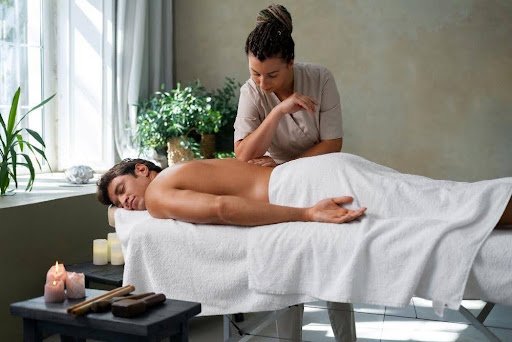
Selecting a massage is not simply about picking an appointment and lying down for an hour. Different techniques are designed around different preferences, pressures, and wellness goals, so understanding the available options can make the experience much more rewarding. A well-established body spa centre may offer several approaches, ranging from gentle relaxation treatments to firmer techniques intended for people who prefer focused pressure. Knowing what each option involves can help you make a practical choice rather than selecting a treatment based only on its name.
Why Massage Choice Matters
Massage can be approached in several ways, and the right treatment depends heavily on what you want from the session. Someone looking to switch off after a demanding week may prefer slow, flowing movements, while another person might enjoy a more focused technique that uses firmer pressure. Personal comfort also matters. Pressure that feels relaxing to one person may feel excessive to another.
This is why communicating your expectations before the session is important. A professional therapist can generally adjust pressure, pace, and focus according to the client’s comfort. The environment can influence the experience as well. A quiet setting, suitable room temperature, clean facilities, and attentive service can help create a more comfortable session from beginning to end.
Popular Massage Approaches to Consider
There is no single massage style that suits everyone. Some of the commonly selected approaches include:
Relaxation Massage
Relaxation-focused massage generally uses smooth, flowing movements and moderate pressure. It is often chosen by people who want a calming experience rather than an intensive treatment. The slower rhythm can make the session feel unhurried and comfortable. This option can be particularly appealing when the main objective is to step away from daily routines and spend some uninterrupted time relaxing.
Deep Pressure Massage
Some clients prefer stronger pressure and a more targeted approach. Deep pressure techniques may involve slower movements and greater pressure across areas where tension is commonly experienced. However, stronger does not automatically mean better. Pressure should remain within a comfortable range. Clients should communicate immediately if a technique becomes painful or uncomfortable rather than assuming discomfort is necessary for an effective session.
Aromatherapy Massage
Aromatherapy sessions combine massage with the use of selected essential oils. The treatment is often chosen for the sensory experience as much as the massage itself. The fragrance can contribute to a relaxing atmosphere, while the massage provides the physical component of the session. People who enjoy subtle scents and a spa-style setting may find this approach particularly appealing.
Hot Stone Massage
Hot stone massage incorporates heated stones into the treatment. Their warmth can create a distinctive sensation and contribute to a deeply relaxing environment. Because heat is involved, clients should inform the therapist about their comfort level. The stones should feel pleasantly warm rather than uncomfortably hot.
Head, Neck, and Shoulder Massage
Not every session needs to focus on the entire body. A shorter treatment concentrating on the head, neck, and shoulders can be an attractive choice for people who want a targeted experience. This type of session may also suit clients who have limited time but still want to enjoy professional massage. The therapist can concentrate on the areas the client identifies as most important.
How to Choose the Right Treatment
Selecting a massage becomes easier when you begin with your objective rather than the treatment menu. Ask yourself what you want from the appointment. Are you primarily looking to relax? Do you prefer light or firm pressure? Would you enjoy aromatic oils or warmth? Do you want a full-body session or attention on particular areas? Your answers can narrow the choices considerably. It is also useful to consider your previous experience.
First-time clients may feel more comfortable starting with a straightforward relaxation treatment rather than choosing an intensive technique without knowing how their body responds to the pressure. Another consideration is session duration. A shorter appointment can work well for someone with a busy schedule, while a longer session allows more time for a full-body experience and a slower pace.
What to Discuss Before Your Session
A few minutes of communication before treatment can make a significant difference. Tell the therapist which areas you want prioritised and whether you have any areas you would rather avoid.
You can also discuss:
- Preferred pressure level.
- Treatment duration.
- Areas requiring extra attention.
- Sensitivity to fragrances.
- Comfort with heat.
- Any relevant physical limitations.
- Whether you prefer a quiet or conversational session.
There is no need to feel awkward about expressing preferences. A professional massage experience should be built around clear communication and reasonable comfort.
What Makes a Good Massage Experience?
The quality of the experience extends beyond the technique itself. Cleanliness, professionalism, privacy, clear communication, and a comfortable setting all contribute to how clients perceive their appointment. A reputable body spa centre should provide an environment where clients can understand the treatment they are choosing and communicate their preferences comfortably.
Staff should also explain relevant details instead of assuming every client wants the same pressure, duration, or style. Consistency matters too. A polished experience should begin when the client arrives and continue through the consultation, treatment, and departure.
Avoid Choosing Based Only on Trends
Popular treatments can be tempting, but popularity is not necessarily a reliable measure of suitability. A technique that works well for one person’s preferences may not be the right choice for another. Instead of choosing based on social media trends or attractive treatment names, consider the actual experience involved.
Look at the pressure, technique, duration, ingredients, heat, and areas covered. This makes the decision more practical and less influenced by marketing. It is also sensible to ask questions when a treatment is unfamiliar. Understanding what will happen during the session can make the appointment more comfortable, especially for first-time visitors.
Making Massage Part of a Balanced Routine
Massage can be enjoyed as an occasional way to relax or as part of a broader personal wellness routine. It should not be viewed as a replacement for appropriate medical care, exercise, sleep, hydration, or professional advice when those are needed. The best approach is usually one that fits naturally into your lifestyle.
Someone who enjoys short, regular relaxation sessions may choose differently from someone who prefers occasional longer appointments. Ultimately, the purpose is to select an experience that feels appropriate rather than chasing the strongest or most elaborate treatment available.
Conclusion
Finding the right massage service starts with understanding your own preferences, comfort level, and reason for booking. From relaxing techniques and aromatherapy to deeper pressure or targeted treatments, each option offers a different experience. Clients can make better decisions by asking questions, communicating clearly, and considering the overall environment rather than focusing only on treatment names. Sweet Spa presents itself as an option for people exploring professional spa experiences, with its approach centred on helping clients choose treatments suited to their individual expectations and relaxation needs.