
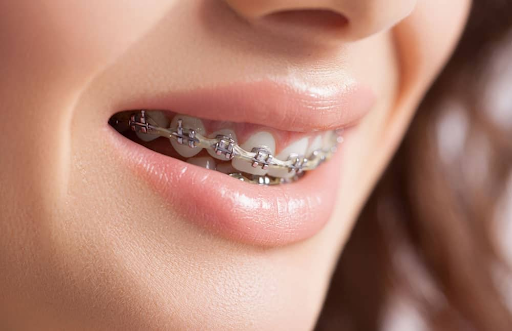
Choosing orthodontic treatment involves more than selecting brackets that straighten teeth. The right system should suit the patient’s bite, alignment concerns, lifestyle, expectations, and long-term oral health. Self-ligating systems offer an alternative to conventional fixed braces by using brackets with built-in clips rather than elastic ties.
For patients comparing modern orthodontic options, the best dental self-ligating braces treatment should be understood as an individualized approach rather than a universal solution. Treatment outcomes depend on the complexity of tooth movement, the patient’s response, clinical planning, and consistent attendance at review appointments.
Understanding Self-Ligating Braces
Self-ligating braces are fixed orthodontic appliances that use a small door or clip to secure the archwire inside each bracket. Unlike conventional brackets, they do not depend on elastic ligatures to hold the wire in place. This design can allow the wire to move with less friction within the bracket system.
Two common designs are active and passive brackets. Active brackets use a spring-loaded clip that applies pressure to the wire, while passive brackets use a sliding mechanism that holds the wire more loosely. The appropriate design depends on the patient’s orthodontic requirements, bite condition, and desired tooth movements.
How the Treatment System Works
The treatment relies on controlled forces to guide teeth toward planned positions. During regular appointments, the orthodontist evaluates movement and makes adjustments when necessary. Although the bracket mechanism can support efficient tooth movement, treatment speed varies significantly between patients and should not be assumed from the appliance alone.
Active Bracket Systems
Active brackets feature a spring-loaded clip that interacts with the archwire. This configuration can provide greater control over specific tooth movements, making it useful when detailed positioning is required during orthodontic correction. The orthodontist determines whether this mechanism is appropriate according to the individual treatment plan.
Passive Bracket Systems
Passive brackets use a sliding door that secures the archwire without actively pressing against it. The reduced interaction between the clip and wire can allow the archwire to move more freely. Systems such as Damon braces are examples of passive self-ligating appliances used in orthodontic treatment.
Customized Appliance Selection
Bracket selection should follow a clinical assessment rather than personal preference alone. The orthodontist considers crowding, spacing, overbite, underbite, crossbite, tooth positions, and overall treatment objectives. This assessment helps determine whether active or passive brackets provide the control needed for the planned movements.
Potential Advantages for Patients
The design of self-ligating appliances can provide several practical advantages during orthodontic care. Because elastic ties are not required, brackets may have fewer areas where plaque and food debris can accumulate. This can make daily brushing and cleaning more straightforward, although careful oral hygiene remains essential throughout treatment.
Easier Oral Hygiene
Without traditional elastic modules surrounding each bracket, patients may find it easier to brush around the appliance. Nevertheless, fixed braces still create additional surfaces that require careful cleaning. Regular brushing, appropriate interdental cleaning, and professional dental care remain important throughout orthodontic treatment.
Adjustment Appointments
Routine reviews allow the orthodontist to monitor tooth movement and determine whether treatment is progressing as expected. Self-ligating brackets can make certain adjustment procedures more efficient because elastic ties do not need to be removed and replaced. Appointment frequency remains dependent on individual clinical requirements.
Comfort Considerations
Many patients report reduced discomfort with self-ligating systems, particularly around adjustment periods. However, no fixed orthodontic appliance is completely free from pressure or soreness. Initial placement and subsequent tooth movement can produce temporary sensitivity, with the intensity differing from one patient to another.
Who May Be Suitable for This Treatment?
Self-ligating braces can address many orthodontic concerns, including crowded teeth, spacing, overbites, underbites, and crossbites. Their suitability is determined through an orthodontic assessment that considers tooth position, bite relationships, jaw development, and the overall complexity of correction. Age alone does not determine whether the system is appropriate.
Adults and teenagers may both be candidates when fixed orthodontic treatment is clinically indicated. Patients should understand that self-ligating brackets do not automatically guarantee faster treatment or superior results. The effectiveness of orthodontic care depends on diagnosis, treatment planning, appliance selection, biological response, and patient cooperation.
Planning the Treatment Journey
A structured orthodontic process helps establish realistic expectations before treatment begins. The initial consultation allows the orthodontist to assess the teeth and discuss concerns, treatment options, expected duration, and financial considerations. Diagnostic records such as photographs, dental molds, and X-rays may be used to develop a detailed treatment plan.
Initial Consultation
The first appointment establishes the foundation for treatment. The orthodontist evaluates alignment and bite relationships while discussing the patient’s concerns and objectives. This stage is also an opportunity to understand the expected timeline, appliance choices, potential limitations, and financial considerations before committing to treatment.
Regular Monitoring
Periodic appointments allow tooth movement to be assessed throughout the treatment period. The orthodontist checks whether the teeth are responding as anticipated and makes adjustments when necessary. Consistent attendance is important because missed appointments can interfere with treatment planning and prolong the overall orthodontic journey.
Retention After Braces
Finishing active treatment does not mean orthodontic care is complete. Teeth can shift after braces are removed, which is why retainers play an important role in maintaining alignment. A custom retainer is typically prepared after treatment, with wearing instructions provided according to the patient’s needs.
Final Thoughts
Could the right orthodontic system make the journey toward a straighter smile more manageable? A personalized assessment is the strongest starting point because every bite, alignment concern, and treatment response is different. Patients researching self-ligating braces cost in Singapore should compare complete treatment plans rather than focusing only on bracket prices. At BRACESAURUS, patients can consult an MOH-accredited orthodontic specialist, Dr. Wee Teng Yau, who has more than 20 years of dental experience and focuses on orthodontic treatment. The clinic provides specialist-led braces options with treatment plans tailored to individual dental needs, preferences, and budgets.