
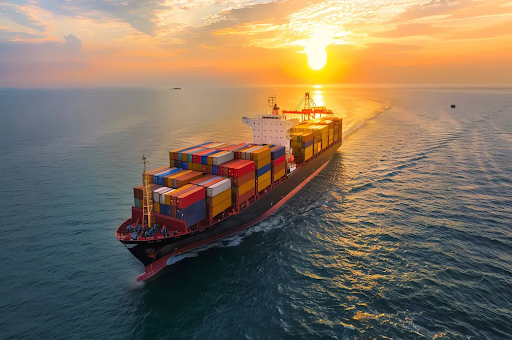
A shipment leaving one country for another often begins a long journey across ports, vessels, warehouses, customs points, and inland transport networks. For businesses moving large quantities of goods, choosing the right transportation method can affect cost, scheduling, storage, and delivery planning. This is where sea freight logistics becomes an important part of international supply chain management.
Why Sea Freight Suits Large Shipments
Sea transportation is widely used for cargo that does not require immediate delivery. Ships can carry substantial volumes, making ocean routes useful for manufacturers, wholesalers, retailers, and businesses involved in international trade.
Compared with faster transportation methods, sea freight generally involves longer transit times. However, businesses can plan around these timelines when shipment schedules are organised well. This makes ocean transportation a practical option for cargo where capacity and cost management are major considerations.
The Journey Starts Before The Port
Efficient shipping begins well before goods reach the waterfront. Businesses need to prepare packaging, commercial documents, cargo details, pickup schedules, and other shipment requirements in advance.
Cargo may first travel by road or rail from a supplier to a port. Once there, it may go through documentation checks, customs procedures, cargo handling, and container loading before being placed on a vessel.
Each stage needs coordination. A delay before loading can affect the wider delivery schedule, particularly when connecting transportation has already been arranged.
Container Planning And Cargo Handling
Containers make it possible to move different types of goods efficiently across long distances. However, selecting and preparing the right container depends on the cargo.
The weight, dimensions, quantity, packaging, and nature of the goods can influence loading requirements. Proper handling also matters because cargo may experience movement, temperature changes, moisture, and repeated handling during its journey.
Careful preparation reduces avoidable complications and helps cargo move through the transportation chain more smoothly.
Connecting Ports With Inland Transport
A vessel does not deliver cargo directly to every customer’s premises. Once a shipment reaches its destination port, it may need to continue by road or rail.
This makes coordination between ocean transportation and inland distribution essential. A logistics shipping company may coordinate different stages so that cargo can move from the port toward warehouses, distribution centres, or final delivery locations.
When these connections are planned in advance, businesses can better manage unloading, storage, vehicle scheduling, and onward transportation.
Building More Predictable Shipping Plans
Sea freight works best when businesses plan around realistic timelines. Instead of focusing only on the vessel’s departure and arrival dates, companies should consider pickup, port handling, customs clearance, inland transportation, warehousing, and final delivery.
Better planning creates room for potential delays and helps businesses coordinate inventory more effectively. Shipment visibility can further support this process by providing updates as cargo moves through different stages.
Conclusion
Sea transportation remains an important option for businesses moving substantial volumes across international markets. Its effectiveness depends not only on vessel capacity but also on container preparation, documentation, customs coordination, port handling, and inland distribution. At AVR Logistics, we combine different logistics capabilities as a reliable logistics shipping company to help businesses organise cargo movement with greater clarity and dependable coordination.