
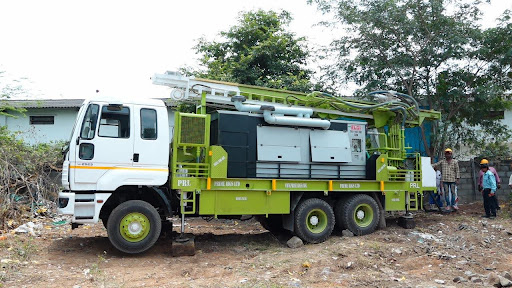
Ground conditions can change significantly from one drilling location to another, making equipment selection an important part of project planning. A capable borehole drilling machine can help operators work through varying formations while maintaining controlled drilling progress.
Soft soil, loose sand, compact clay, and harder rock can each create different operational demands. Choosing equipment with the right capabilities lets drilling teams adapt their approach to the formation rather than relying on one setup for every site.
Adapting to Different Ground Conditions
Every drilling site presents its own combination of soil and rock characteristics. Equipment needs to provide suitable penetration, stability, and control when working through changing formations. Understanding the ground beforehand can help operators select a setup that matches the intended application.
Advanced rigs can provide greater flexibility when conditions become less predictable. Features related to drilling power, machine stability, and operational control can help teams adjust their work as the formation changes, supporting more consistent progress throughout the project.
Features That Support Consistent Drilling
Equipment performance depends on more than drilling strength. A suitable machine should offer power, stability, and control to handle changing ground resistance effectively. Using the right borehole drilling machine for the formation can improve efficiency, reduce unnecessary strain, and support better control throughout the drilling process.
-
Variable Drilling Power
Different formations require different levels of drilling force. Equipment with suitable power can respond to softer ground as well as more resistant sections without compromising operational control. This flexibility can help maintain steady progress when ground resistance changes unexpectedly.
-
Stable Machine Operation
Machine stability plays an important role when drilling through uneven or challenging formations. A stable setup helps maintain positioning and supports controlled movement during operation. This can contribute to more consistent drilling when surface or subsurface conditions vary.
-
Suitable Drilling Depth
Groundwater formations may occur at different depths depending on the location and geological structure. Equipment should therefore provide capabilities suited to the project’s expected drilling requirements. Appropriate depth capacity gives operators greater flexibility when working on varied borehole applications.
-
Adaptable Equipment Design
A versatile rig can be useful when drilling projects involve changing site conditions or different applications. Adaptable equipment allows operators to make practical adjustments according to the formation and project needs. This can make the overall drilling process more manageable.
Planning Equipment for Better Results
Selecting drilling equipment should begin with the conditions expected at the site. Ground type, required depth, access, workload, and project objectives can all influence the suitability of a particular rig. Considering these factors together can lead to more practical equipment decisions.
A well-matched setup can support dependable drilling across different formations without unnecessary equipment limitations. Careful planning also allows operators to prepare for changing ground conditions and choose machinery that fits the project’s operational requirements.
Conclusion
Advanced drilling rigs can provide the flexibility needed to manage different ground types with greater control and consistency. Evaluating machine power, stability, depth capabilities, adaptability, and usability helps create a setup suited to varied drilling environments.
For those seeking dependable solutions for different drilling applications, Prime Rigs offers equipment designed to support varied project requirements. Exploring suitable borehole drilling equipment from an experienced provider can help drilling teams select machinery that matches their site conditions and operational goals.