
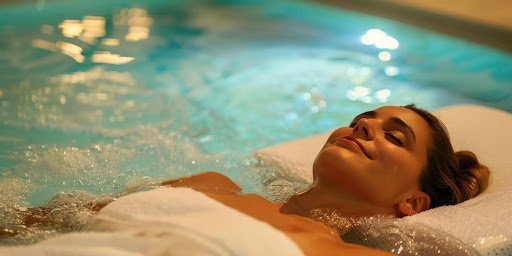
You finished a tough gym session, a long run, or a weekend of padel, and now your legs feel like concrete. Do you sink into warm bubbling water, or book a therapist to work out the knots? It is a question many active people in the city ask, and the answer is not as obvious as spa menus suggest.
Both approaches have real benefits, and both have limits. In a city where heat, long workdays, and active lifestyles collide, jacuzzi massage in Dubai has become a popular way to unwind and recover. Let’s look at how each option works, where each one shines, and how to choose the right one for your body.
What Muscle Recovery Actually Involves
After intense exercise, muscles experience microscopic stress. Over the next day or two, you may feel soreness, stiffness, and fatigue, often called delayed onset muscle soreness, or DOMS. Recovery is the process of restoring muscle function and comfort, and it depends on several things: blood circulation, relaxation of tight tissue, nutrition, hydration, and sleep. Neither a jacuzzi nor a massage is a magic cure. They are tools that can support the process and make you feel better while your body does the real repair work.
How Jacuzzi Hydrotherapy Helps
Soaking in warm, jet-powered water offers a combination of effects:
- Heat: Warm water widens blood vessels, which can increase circulation and help muscles relax. Many people find stiffness eases and tension melts within minutes.
- Buoyancy: Water supports body weight, reducing pressure on joints and muscles, which feels especially good for sore legs and backs.
- Hydrostatic pressure: The gentle pressure of water around the body may help with swelling and a sense of lightness.
- Jets. Water jets provide a light, massage-like stimulation to the back, calves, and feet.
- Relaxation: Warmth and bubbling water calm the nervous system, which supports better sleep and lowers perceived stress.
The limitations are worth knowing too. The jets are general rather than targeted, and a jacuzzi will not release a deep, specific knot in the same way a skilled therapist can. Evidence for hot water as a way of speeding actual muscle repair is also mixed; its main strengths are comfort, relaxation, and relief from stiffness.
How Massage Helps
Massage applies direct, controlled pressure to muscles and connective tissue. Research reviews suggest that massage can reduce the perception of soreness after exercise and ease feelings of fatigue, although it appears to have little direct effect on strength or performance recovery. Therapists can also:
- Target specific tight muscles and trigger points.
- Improve local circulation to the area worked on.
- Encourage flexibility and range of motion.
- Help the body shift into a relaxed state, lowering stress levels.
Techniques differ.
- Deep tissue massage uses firm, slow pressure for chronic tension and tight areas.
- Swedish massage uses lighter, flowing strokes for general relaxation.
- Thai massage combines pressure with assisted stretching, which can help with flexibility and stiffness.
The right choice depends on how your body feels and what you want to achieve.
Head-to-Head: Which Works Better for What?
- General stiffness and a tired body: A warm soak is hard to beat for gentle, full-body relief.
- Specific tight knots or a sore spot: Massage wins, thanks to targeted pressure.
- Joint-friendly relaxation after heavy training: The buoyancy of a jacuzzi makes it easier on sore joints.
- Limited mobility or flexibility: Thai or stretching-based massage can help restore movement.
- Stress, poor sleep, and mental fatigue: Both help, and many people find a warm soak followed by calm massage especially relaxing.
- Acute injury or a sharp, localized pain: Neither is a substitute for medical advice. See a doctor first.
Why the Combination Often Wins
In practice, the best answer is often both. Warm water prepares the body: it relaxes muscles, raises tissue temperature, and settles the mind. A therapist can then work more effectively, often with less discomfort, because the muscles are already loosened.
That is why many people combine a soak with massage in a single visit, and why jacuzzi massage in Dubai packages are so popular with athletes, desk workers, and visitors alike. A typical sequence is 15 to 20 minutes in the jacuzzi, a short rest, and then a massage focused on the areas that need it most. The result is a more complete recovery session than either option alone.
Safety First
Both approaches are generally safe for healthy adults, but a few precautions matter:
- Keep jacuzzi water comfortably warm, not scalding, and limit soaks to about 15 to 20 minutes.
- Avoid hot tubs if you are pregnant, have heart conditions, very high or low blood pressure, or certain skin infections, unless your doctor approves.
- Avoid alcohol before soaking, and stay hydrated before and after.
- Tell your therapist about injuries, medical conditions, or pregnancy.
- Skip massage over inflamed, bruised, or injured areas, and seek medical advice for persistent pain.
Making the Most of Your Recovery
Spa time works best alongside good habits:
- Drink water before and after sessions.
- Eat enough protein and a balanced diet to support muscle repair.
- Prioritize sleep, since most recovery happens overnight.
- Stretch gently and stay lightly active on rest days.
- Listen to your body. Soreness that lingers or worsens deserves attention.
Conclusion
A jacuzzi and a massage each support muscle recovery in different ways. Warm water relaxes the whole body and eases stiffness, while massage targets specific tension and soreness. For many people, combining the two delivers the best experience. Select based on your needs, stay safe, and keep recovery habits consistent. When you want trained therapists and a calm setting, a reputable body massage spa centre in Dubai can tailor a session to how your body feels today. Summer Pearl Spa is a licensed massage and spa centre in Business Bay, Dubai. Their therapists, trained in Thai, Arabic, and European techniques, offer deep tissue, Swedish, and Thai massage, Moroccan baths, and jacuzzi baths at the spa or through hotel and home visits, tailored to each guest.