
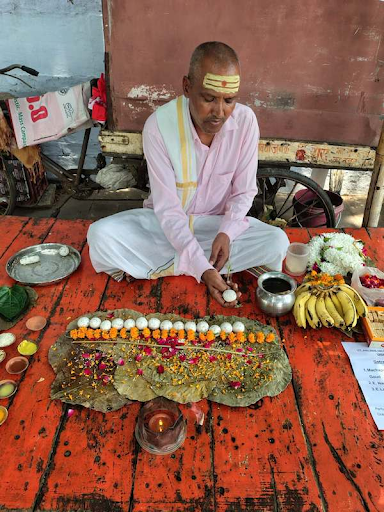
Honouring ancestors is an important part of Hindu religious tradition. For many families, performing ancestral rites provides an opportunity to express gratitude, remember departed loved ones, and continue customs passed down through generations. Among these practices, Pind Daan holds particular significance for devotees who wish to perform rituals for the spiritual welfare of their ancestors.
Varanasi and Gaya are two well-known pilgrimage destinations associated with ancestral ceremonies. Families often travel to these sacred places to perform rituals according to their religious beliefs and family traditions. Understanding the purpose of the ceremony, the preparations involved, and the available arrangements can make the pilgrimage more organised and meaningful.
Whether you are planning pind daan at varanasi or considering a traditional ceremony in Gaya, it is helpful to seek appropriate religious guidance and confirm the practical details before travelling.
What Is Pind Daan in Hindu Tradition?
Pind Daan is a Hindu ancestral rite performed to honour departed family members. The ritual commonly involves offering pindas, traditionally prepared using materials such as cooked rice, barley flour, or other ingredients according to the relevant customs. Prayers and associated rites may also form part of the ceremony.
The specific procedure can differ depending on regional traditions, family practices, and the guidance of the officiating priest. For many devotees, the ceremony represents respect, remembrance, and a continuing connection between generations.
Families may perform ancestral rites on particular religious occasions, during designated periods, or when undertaking a pilgrimage to a sacred destination. Some choose to consult a priest to understand the appropriate timing and procedure for their circumstances.
Before arranging the ceremony, consider discussing your family’s traditions and intentions with a knowledgeable priest. This can help clarify the ritual requirements, the materials needed, and the sequence of activities.
Why Varanasi Is Associated with Ancestral Rituals
Varanasi, also known as Kashi, is one of Hinduism’s most revered pilgrimage destinations. Located on the banks of the River Ganga in Uttar Pradesh, the city has a long-standing association with religious observances, temple visits, prayer, and rites connected with death and remembrance.
For many families, travelling to Varanasi is a deeply personal experience. The city offers an opportunity to combine pilgrimage with reflection and the observance of traditions that are important to their beliefs.
People planning pind daan at varanasi should first establish which rituals they wish to perform and whether their family follows specific customs. A priest familiar with the intended ceremony can explain the procedure and help the family understand any preparations that may be required.
It is also important to confirm the practical arrangements, including the ceremony’s location, timing, expected duration, and costs. These details can vary, so obtaining clear information before travelling is advisable.
Understanding the Basic Pind Daan Procedure
Although the exact sequence varies, Pind Daan ceremonies generally involve several traditional elements. Understanding the broad structure can help families prepare and know what questions to ask their priest.
1. Discussing the ceremony
The family explains its requirements and relevant customs to the priest. This discussion may cover the ancestors being honoured, the preferred date, and any regional practices that should be observed.
2. Preparing the ritual materials
The materials depend on the ceremony and the traditions being followed. The priest can explain which items are required and whether the family should arrange them independently or through the service provider.
3. Performing prayers and offerings
The ceremony may include prayers, the recitation of mantras, and the offering of pindas according to the prescribed tradition. The priest guides participants through the relevant steps.
4. Completing the associated rites
Additional prayers or customary observances may be performed depending on the family’s beliefs and the specific ceremony arranged.
Because procedures are not identical across all Hindu communities, families should avoid assuming that one description applies to every situation. Consulting the officiating priest helps ensure that the ritual is understood in the context of the relevant tradition.
Choosing Between Varanasi and Gaya
Varanasi and Gaya are both important destinations for Hindu ancestral rites, but families may choose between them based on their religious intentions, customary practices, and travel arrangements.
Varanasi is closely associated with the River Ganga, pilgrimage, and a wide range of religious observances. Gaya, located in Bihar, is particularly renowned for Pind Daan and ancestral rites associated with the city’s sacred sites.
The most suitable destination depends on the ceremony the family intends to perform and the traditions it wishes to follow. Some families may have established customs or guidance from elders that influence their decision.
Before choosing a destination, consider travel time, accommodation, accessibility, the number of relatives attending, and the arrangements needed for the ritual. If elderly family members are travelling, allow additional time and consider their mobility and comfort.
Speaking with a knowledgeable priest before making reservations can help clarify whether the selected location is appropriate for the intended ceremony.
Preparing for Your Pilgrimage
Advance planning can make a religious journey easier, particularly when family members are travelling from different cities.
Start by confirming the date and arrangements for the ceremony. Ask the priest about the expected duration, the materials required, and any preparations that should be completed beforehand. If several relatives are attending, share the schedule and relevant information with everyone.
Next, organise transportation and accommodation. Consider how far the accommodation is from the ceremony location and whether the route is convenient for everyone in the group. During busy pilgrimage periods, booking travel arrangements early may help reduce uncertainty.
Keep essential travel documents, booking confirmations, and contact information accessible. It is also sensible to carry any personal items or documents that the priest has specifically advised you to bring.
Families should ask for a clear breakdown of the service costs before confirming arrangements. Clarify which rituals are included, whether materials are provided, and whether travel or other additional charges apply.
How to Find Suitable Religious Guidance
Selecting an appropriate priest is an important part of planning an ancestral ceremony. The priest should understand the ritual being requested and be able to explain the procedure in a way the family can follow.
When evaluating a service, ask about experience with the specific ceremony, familiarity with your regional customs, language preferences, and the arrangements included. It is reasonable to ask questions about the procedure, especially if this is your family’s first visit to the destination.
Clear communication is particularly important when booking remotely. Confirm the date, location, fees, and service details in advance, preferably in writing. This can help prevent misunderstandings and make it easier to coordinate travel plans.
Families should also distinguish between religious guidance and practical arrangements. Confirm who will organise the ceremony materials, where participants should meet, and whether there are local procedures or restrictions to consider.
Understanding Pind Daan Costs
The cost of an ancestral ceremony can vary according to the type of ritual, location, materials, duration, and services included. There is no single price that applies to every family or ceremony.
Before confirming a booking, request a clear explanation of the charges. Ask whether the quoted amount includes the priest’s services, ritual materials, and any additional arrangements. If you are travelling with relatives, remember to account separately for transportation, accommodation, and meals.
Comparing options can help you understand the services being offered, but the lowest price should not be the only consideration. Clear communication, an understanding of your family’s customs, and transparent arrangements are also important.
Avoid making assumptions about the procedure or the final cost based on general online descriptions. Confirm the details directly with the service provider before making a commitment.
A Respectful Way to Honour Family Traditions
Pind Daan can hold deep personal and religious significance for families who observe Hindu ancestral rites. By learning about the ceremony, choosing a suitable destination, and preparing the practical arrangements in advance, families can approach the experience with greater clarity.
Whether your family intends to perform pind daan at varanasi or travel to another recognised pilgrimage destination, religious guidance can help you understand the traditional procedure and the preparations involved.
PitraDev provides a platform for exploring priest-related services and religious ceremony arrangements. Families can review available information, discuss their requirements, and confirm the details of a proposed ceremony before proceeding. Taking a thoughtful approach to planning helps preserve important traditions while allowing families to focus on remembrance, prayer, and their shared spiritual journey.