
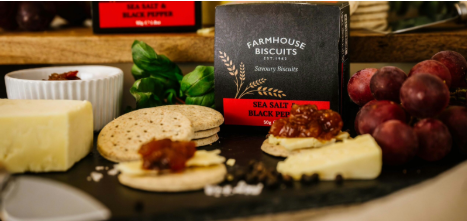
Over the centuries, posh biscuits have played a distinguished role in the culinary heritage of the United Kingdom. From regal tea tables to family-run parlours, these refined baked treats reflect not only British taste but also social traditions, class distinctions, and regional pride. While the word “posh” may suggest exclusivity, the history of these biscuits reveals a deeper cultural relevance that has evolved with time.
This article explores how traditional British biscuits gained their “posh” status, how they became symbols of hospitality and refinement, and why they remain popular in today’s luxury biscuit market.
Origins of British Biscuit-Making
Biscuit-making in Britain dates back to medieval times. Originally, biscuits were simple twice-baked bread meant for preservation during long journeys. As the British Empire expanded and sugar became more accessible, biscuits transitioned from sustenance to indulgence. By the 18th century, the gentry began to enjoy sweetened, spiced biscuits as part of afternoon tea traditions.
With the rise of the Industrial Revolution, biscuit production became more consistent and available to a wider population. Still, certain varieties—especially those made with butter, dried fruit, and spices—were reserved for special occasions and often gifted or served to visitors. These are what eventually came to be known as posh biscuits.
What Makes a Biscuit “Posh”?
The term “posh” isn’t just about price—it reflects quality, craft, and presentation. Several characteristics distinguish posh biscuits from everyday varieties:
- Ingredients: Premium elements like clotted cream, Belgian chocolate, almonds, or crystallised ginger
- Texture and Finish: Delicate crumb, rich snap, or intricate decoration
- Packaging: Often beautifully wrapped in tins or boxes, ideal for gifting
- Heritage or Artisan Touch: Often made using traditional recipes passed down through generations
These qualities make posh biscuits suitable for high tea, gifting, and formal gatherings—extending beyond a mere snack to a statement of refinement.
Biscuits in British Social Tradition
Biscuits have long held a central role in British rituals, particularly tea-time. In aristocratic households, afternoon tea evolved into a daily event featuring a curated assortment of sweet and savoury treats. Among these, biscuits symbolised good taste, hospitality, and tradition.
They also played a role in milestone celebrations. Weddings, christenings, and holidays often featured beautifully made biscuits wrapped in ribbons or tins. In many families, certain biscuit recipes were passed down as heirlooms, further cementing their social significance.
Regional Influence and Classic Varieties
Different regions of the UK contributed unique variations to the tradition of posh biscuits:
- Shortbread (Scotland): Rich, buttery, and iconic, often enjoyed during Hogmanay and festive gatherings
- Ginger Nuts (Northern England): Spiced and robust, perfect for dunking
- Digestives (Nationwide): Though widely consumed, premium versions with chocolate or oats earned a spot in the posh category
- Viennese Whirls (Across UK): Delicate and often filled with jam and cream, served with fine china tea
The combination of local ingredients, family recipes, and regional pride helped define a broad but distinct category of traditional British biscuits.
Evolving into the Best Luxury Biscuits UK Offers Today
Today’s high-end biscuit brands have taken cues from historical recipes while adding modern twists. Gluten-free varieties, inventive flavor pairings, and luxury packaging reflect contemporary consumer expectations. Still, the emphasis on tradition, quality, and indulgence remains the same.
Many British brands now export their best luxury biscuits UK-wide and beyond, preserving heritage while appealing to global markets. These biscuits are often marketed not just as food, but as lifestyle experiences—served at hotels, during flights, and in curated gift boxes.
Why Farmhouse Biscuits Remain a Beloved Name
Among the top-tier British biscuit makers, Farmhouse Biscuits stands out for preserving time-honored baking techniques while evolving with taste trends. Known for using classic recipes and authentic ingredients, the brand offers an assortment that honors both nostalgia and novelty.
Whether it’s their buttery shortbread fingers or their hand-decorated selections, Farmhouse brings the essence of posh biscuit culture to homes and tea tables across the UK and beyond.
Conclusion
From their humble beginnings to their place on silver-plated serving trays, posh biscuits have remained a cherished symbol of British culinary and social culture. These sweet, refined creations are more than just treats—they represent heritage, class, and craftsmanship. Whether you’re indulging in a box of Farmhouse Biscuits or sampling new gourmet varieties, the tradition of traditional British biscuits lives on, proudly earning its place among the best luxury biscuits UK has to offer.