
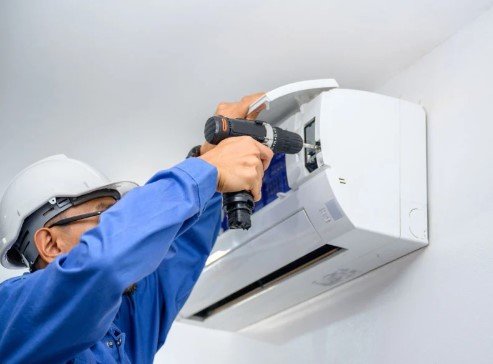
Mobile homes have unique HVAC layouts that differ from standard site-built houses, which means diagnosing and fixing temperature, airflow, and efficiency issues requires a tailored approach. When scheduling AC repair services near San Antonio, the most reputable technicians follow a structured workflow designed for manufactured and modular homes: evaluating duct placement under the chassis, confirming proper equipment sizing, checking return-air pathways, and addressing static pressure that commonly builds in compact systems. This guide breaks down what to expect from a professional visit and how service providers keep cooling reliable in Texas heat.
What Makes Mobile Home AC Systems Different?
Mobile home HVAC systems are built for smaller footprints and specific duct configurations. Instead of large, rigid trunk lines, many use narrow, flexible ducts that run through the belly (underbelly) or in shallow chases, which can restrict airflow if crushed or poorly sealed. Package units or split systems may be installed, but both must meet manufactured housing specifications, including specially rated furnaces, coil cabinets, and downflow configurations where applicable. Because San Antonio summers are long and hot, proper refrigerant charge, adequate return air, and leak-free ducts are critical to maintain capacity and reduce run time.
- Compact ducts increase sensitivity to airflow blockages.
- Undersized return grilles and dirty filters quickly cause low airflow and iced evaporator coils.
- Improper leveling of outdoor units can lead to vibration and premature wear.
Step-by-Step: How Technicians Diagnose and Repair
A reliable process helps ensure nothing is missed during AC repair services near you in San Antonio. Here’s the typical flow:
1) Intake and History
The visit starts with questions about symptoms: hot spots, short cycling, rising energy bills, or frequent tripped breakers. For mobile homes, techs also ask about any recent skirting work, belly board repairs, or duct modifications that might affect airflow.
2) Safety and Power Checks
Technicians verify correct breaker size, inspect disconnects, and confirm proper voltage and tight electrical connections. Loose lugs and overheated contactors are common culprits in high-demand climates.
3) Airflow and Return Pathway Assessment
Mobile homes often struggle with restricted returns. Pros measure static pressure, inspect filter size and condition, and verify that bedroom doors and hallways allow adequate return airflow when closed. They may recommend upsizing return grilles, adding jump ducts, or sealing bypass leaks.
4) Ductwork Inspection Under the Home
Crushed flex, torn belly wrap, disconnected boots, and unsealed takeoffs reduce tonnage effectiveness. Techs access the underbelly (when safe and feasible) to locate leaks with visual checks, feel for air movement, and sometimes use smoke pencils. Sealing with mastic and repairing insulation improves capacity and comfort.
5) Refrigerant Circuit Evaluation
After confirming airflow, they check superheat and subcooling to determine charge accuracy. Mobile homes with smaller coils are particularly sensitive to under-/overcharge, which can cause icing, poor humidity control, and compressor stress.
6) Coil and Blower Cleaning
Evaporator coils and blower wheels accumulate dust quickly in compact systems. Cleaning restores airflow and efficiency. Techs also balance blower speeds to match duct capacity, limiting noise and drafts.
7) Thermostat and Controls
Wiring integrity, thermostat calibration, and heat/cool staging are verified. If heat strips are present for auxiliary heat, they confirm that relays operate correctly and won’t run simultaneously with cooling due to a control fault.
8) Drainage and Condensate Protection
San Antonio’s humidity demands reliable drainage. Techs clear condensate lines, verify trap design, and add float switches where appropriate to prevent water damage in tight cavities.
9) Final Test and Recommendations
A performance check confirms supply temperature drop, pressures, and amperage. If the home consistently experiences uneven temperatures, technicians may discuss airflow balancing or configuration improvements.
Common Repairs in San Antonio Mobile Homes
- Restoring crushed or disconnected ducts and sealing with mastic
- Replacing clogged filters with higher surface-area options
- Cleaning evaporator coils and blower assemblies
- Correcting low airflow to stop coil freeze-ups
- Recharging refrigerant after leak detection and repair
- Replacing worn capacitors, contactors, or fan motors
- Upgrading undersized return grilles for better circulation
Preventive Care That Extends System Life
In high-heat regions, prevention saves money. Consider:
- Quarterly filter checks during peak season
- Annual coil and blower cleaning
- Verifying charge and airflow each spring
- Sealing duct leaks after any underbelly work
- Keeping the outdoor unit level, clean, and with 18–24 inches of clearance
- Inspecting skirting and ventilation to prevent overheating
When Zoning or Layout Changes Help?
Large single-wides and double-wides can develop hot rooms at the ends of long runs. Strategic airflow improvements—larger return paths, balancing dampers, and selective duct resizing—often solve the problem. For complex layouts or add-ons, a comfort consult may include understanding AC zoning systems to determine whether multi-zone control is appropriate for the home’s duct capacity and equipment.
What to Expect from a Quality Service Visit?
- Transparent findings with photos of underbelly ducts and components
- Clear pricing before repairs begin
- Code-compliant materials rated for manufactured housing
- Practical recommendations focused on airflow, sealing, and proper charge
- Tips tailored to the home’s age, skirting, and insulation condition
Conclusion
Effective AC repair services near you in San Antonio for mobile homes focus on the fundamentals: safe power delivery, verified airflow, leak-free ducts, and precise refrigerant charge. With compact ducts and tight spaces, small issues have big effects—so thorough diagnostics, coil and blower cleanliness, and return-air improvements make the most noticeable difference in comfort and energy use. For homeowners dealing with persistent hot spots or add-on rooms, exploring options like air conditioner repair San Antonio and air conditioner repair services near you in San Antonio can address immediate issues, while longer-term planning—including understanding AC zoning systems—can refine comfort across the entire home.