
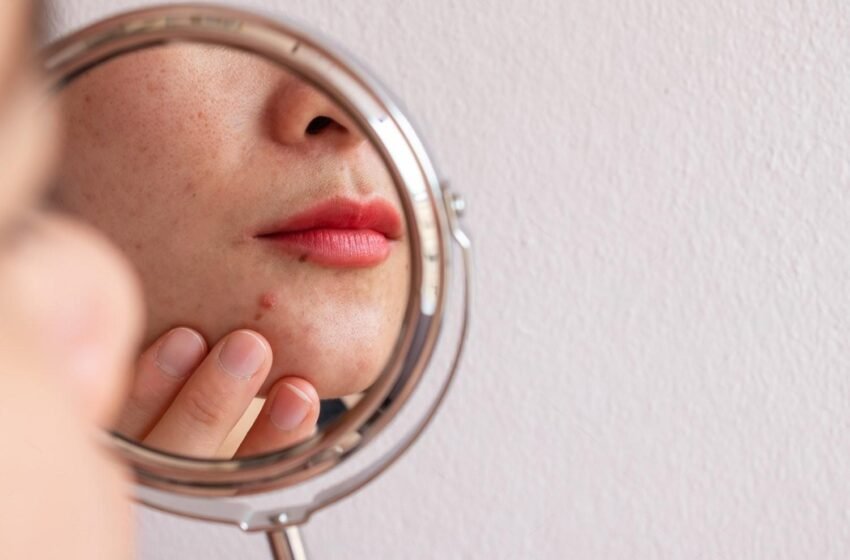
Fungal acne vs other types of acne, the differences could be difficult for people to notice. However, certain factors can help you identify each condition. Normally, people often mistake fungal acne for regular acne.
The reason is that there are some similarities in symptoms, but the information provided in this article will help you a lot to identify fungal ones.
It is very important to know about each condition as fungal acne treatment will only work on fungus. Normal acne treatment will not treat the symptoms of fungal acne.
So, I have broken down both topics separately and mentioned key differences later to identify them better.
Fungal Acne
As its name says, a fungus named Malassezia causes this condition. Thus, it is referred to as fungal acne. It is an infection in hair follicles.
The yeast itself is not a problem as it lives on our skin harmlessly. When it becomes overactive and grows rapidly, it may cause bumps on the skin that require fungal acne treatment to manage the symptoms effectively.
The symptoms mostly appear on the arms, forehead, neck, upper back, and chest. They can affect individuals of any age group, but young males are more prone to them. The symptoms lead to itching, which can vary in intensity.
The affected skin becomes inflamed, red, and oily.
Treatment
Usually, it does not cause flare-ups and is generally considered a harmless condition like dandruff.
However, a medicated shampoo that is effective for dandruff is good to go with fungal acne treatment, as both conditions are linked to the overactivation of Malassezia. The dandruff shampoo is generally enough for its treatment.
Still, it is recommended to follow preventive measures and best practices to get the best out of treatment and prevent flare-ups.
Normal Acne
Normal or Acne Vulgaris is a skin condition that appears on the face and results in whiteheads, blackheads, and pimples.
The skin condition can affect any age group. The symptoms include itching, pain, discomfort, redness, and inflamed bumps.
The most vulnerable symptoms are the chin, forehead, and cheeks.
Treatment
Normal acne can be easily treated with some mild topical or oral treatments. Some natural remedies can also work well but consult a healthcare professional for better guidance.
A few days of treatment are enough. For severe cases or no visible improvements, visit a doctor.
How to identify fungal acne?
A similar appearance confuses folks when identifying the symptoms. However, the difference described in the lines below will help you identify if it is fungal acne or not.
Regular acne causes pain, while fungal one does not. The fungal may lead to a burning sensation.
The bumps in the regular one look disorganized in size and location. While in the fungal one, the bumps are uniform in location and size. Fungal acne shows bumps in clusters.
Normal acne is caused by clogged skin pores, while the fungal one happens due to the overgrowth of fungi.
Normal ones appear on the face only, while the fungal ones appear on the upper body parts except the face (mostly on the arms, chest, upper back, and forehead).
Considering these factors, it will be very easy to determine what condition you are dealing with.
Note: One important and common thing in both conditions to mention here is that stress can worsen their symptoms. Stress directly affects our immune system, making it weaker. This could be harmful when dealing with an underlying disease.
Precautions for both
If we keep the discussion of their difference aside, the precautions are the same for both.
Consider those factors and avoid what must be avoided:
- Prevent exposure to excessive heat.
- Live in a cool and dry environment. Humidity and hot climate can exacerbate symptoms.
- Avoid oily products and moisturizers too. Use oil-free products if needed.
- Do not use skincare products and sprays, as they may trigger allergic reactions. Trust only medically approved products or prescriptions.
- Avoid processed foods and oily items.
- Keep the skin clean from sweat.
- Wear breathable, loose, and light clothing for proper airflow.
- Choose the fabric that does not damage the bumps when rubbed against the skin. Cotton is the best option.
- Take daily baths and wash your hands and face regularly.
- If the symptoms itch, do not scratch. It will worsen the condition.
- Do some mindfulness exercises and activities and meditation to reduce stress.
Conclusions
After reading this article, you can see that it is easy to identify fungal acne and separate it from the regular one. My advice is to thoroughly inspect the symptoms, as more than one type of acne may be present simultaneously in the same location.
So, it could be complex to identify what condition you are dealing with. For better diagnosis, it is always recommended to consult a professional. I hope this article helped you differentiate between fungal and regular acne.