
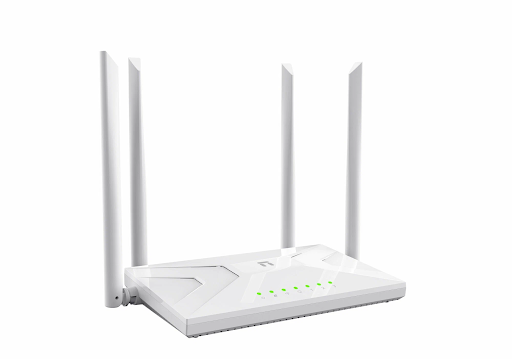
In today’s hyper-connected world, routers play a critical role in keeping homes and businesses online. However, as technology advances, older networking devices quickly become obsolete. This is where a Router Scrap Buyer becomes an essential part of the sustainability chain, ensuring that discarded routers are handled responsibly rather than ending up in landfills. By enabling proper recycling and resource recovery, router scrap buyers help reduce environmental harm while supporting a more circular approach to electronic consumption.
Electronic waste, or e-waste, is one of the fastest-growing waste streams globally. Networking equipment such as routers, switches, and modems contributes significantly to this volume. Sustainable management of this waste is no longer optional, it is a necessity.
Understanding Router E-Waste and Its Environmental Impact
Routers contain a complex mix of materials, including plastics, metals, circuit boards, and small amounts of hazardous substances. When disposed of improperly, these components can release toxins such as lead, mercury, and flame retardants into the soil and groundwater.
The environmental consequences of unmanaged router waste include:
- Soil and water contamination
- Increased landfill burden
- Loss of recoverable materials like copper and precious metals
- Higher carbon emissions from manufacturing replacement devices
Router scrap buyers help interrupt this cycle by diverting electronic waste away from landfills and into controlled recycling systems.
The Role of Router Scrap Buyers in Sustainable Recycling
Router scrap buyers specialize in collecting, sorting, and processing obsolete or damaged networking equipment. Their work goes beyond simple waste collection, it involves structured recycling practices designed to maximize material recovery while minimizing environmental impact.
Their contribution to sustainability includes:
-
Safe Dismantling of Devices
Devices are carefully taken apart using approved methods to prevent damage and reduce environmental risk. This ensures that harmful substances are handled safely without contaminating surrounding materials.
-
Separation of Recyclable and Hazardous Components
Recyclable materials such as metals and plastics are sorted from hazardous elements like batteries and circuit boards. This separation allows each component to be processed using the most appropriate and safe method.
-
Channeling Materials to Certified Recycling Facilities
Recovered materials are sent only to authorized recycling centers that meet environmental and regulatory standards. This guarantees proper treatment, maximum material recovery, and minimal ecological impact.
-
Supporting Responsible Disposal Practices
Non-recyclable and hazardous waste is disposed of according to established safety and environmental guidelines. This approach helps reduce landfill pollution and promotes long-term environmental responsibility.
By acting as intermediaries between consumers and recyclers, router scrap buyers make responsible e-waste management more accessible.
Promoting a Circular Economy Through Router Recycling
A circular economy focuses on keeping resources in use for as long as possible. Router scrap buyers actively support this model by ensuring valuable materials are recovered and reintroduced into manufacturing cycles.
Routers contain metals such as copper, aluminum, and small quantities of gold and silver. Recovering these materials reduces the need for mining new resources, which is often energy-intensive and environmentally damaging. Recycling one router may seem insignificant, but at scale, the impact is substantial.
Through responsible recovery and reuse, router scrap buyers help shift the electronics industry away from a “use-and-dispose” mindset.
Preventing Hazardous Waste Pollution
One of the most critical contributions of router scrap buyers is preventing hazardous substances from entering the environment. Many electronic components contain chemicals that pose serious health risks when released unchecked.
Professional scrap buyers follow regulated processes that ensure:
- Hazardous parts are isolated and treated correctly
- Toxic substances are disposed of according to environmental standards
- Recycling workers are protected through safe handling procedures
This structured approach significantly reduces risks to ecosystems and human health.
Supporting Businesses in Responsible E-Waste Disposal
Businesses frequently upgrade networking infrastructure to maintain performance and security. Without a proper disposal strategy, outdated routers can accumulate quickly, creating compliance and sustainability challenges.
Router scrap buyers provide businesses with a streamlined solution for:
- Bulk router disposal
- Asset tracking and documentation
- Environmentally compliant recycling
- Reduction of corporate e-waste footprints
This support allows organizations to meet sustainability goals while maintaining operational efficiency.
Enhancing Data Security Through Proper Router Disposal
Old routers often store sensitive configuration data, IP addresses, and access credentials. Improper disposal can expose businesses and individuals to security risks.
Responsible router scrap buyers ensure devices are:
- Securely wiped or destroyed
- Dismantled to prevent data recovery
- Processed in compliance with data protection best practices
By addressing both environmental and data security concerns, router scrap buyers add an extra layer of value to e-waste management.
Encouraging Consumer Awareness and Participation
Sustainable e-waste management relies heavily on public participation. Router scrap buyers play an educational role by encouraging individuals and organizations to recycle rather than discard electronics.
Their efforts help:
- Raise awareness about the environmental impact of e-waste
- Normalize responsible recycling behaviors
- Make recycling more convenient and accessible
As awareness grows, more routers are diverted from landfills, contributing to long-term environmental benefits.
Reducing Carbon Footprint Through Material Recovery
Manufacturing new electronic components requires significant energy and raw materials. Recycling existing materials from routers reduces the demand for energy-intensive production processes.
By recovering metals and plastics, router scrap buyers help:
- Lower greenhouse gas emissions
- Reduce energy consumption
- Decrease reliance on virgin resources
These cumulative effects contribute meaningfully to global sustainability goals.
Compliance With Environmental Regulations
E-waste management is increasingly regulated to prevent environmental damage. Router scrap buyers often operate within licensed frameworks that align with local and international standards.
This compliance ensures:
- Proper documentation of disposal processes
- Transparency in recycling practices
- Reduced legal and environmental risks for sellers
Working with responsible scrap buyers supports broader regulatory compliance efforts.
Long-Term Benefits of Responsible Router Recycling
The impact of router scrap buyers extends beyond immediate waste reduction. Over time, their work supports:
- Cleaner urban environments
- Reduced strain on landfill infrastructure
- Sustainable material supply chains
- Improved public health outcomes
As technology adoption continues to grow, these long-term benefits become even more critical.
Conclusion: Building a Sustainable Future Through Router Recycling
Responsible handling of obsolete networking equipment is a key component of modern sustainability efforts. Router scrap buyers ensure that valuable materials are recovered, hazardous substances are managed safely, and environmental harm is minimized. Their role bridges the gap between technology consumption and environmental responsibility.
In this ecosystem, an IT Scrap Buyer plays a complementary role by managing a wide range of electronic waste streams, including networking equipment. Services associated with a Router Scrap Buyer Abu Dhabi contribute to structured recycling practices that align with environmental compliance, resource recovery, and long-term sustainability goals without disrupting operational efficiency.