
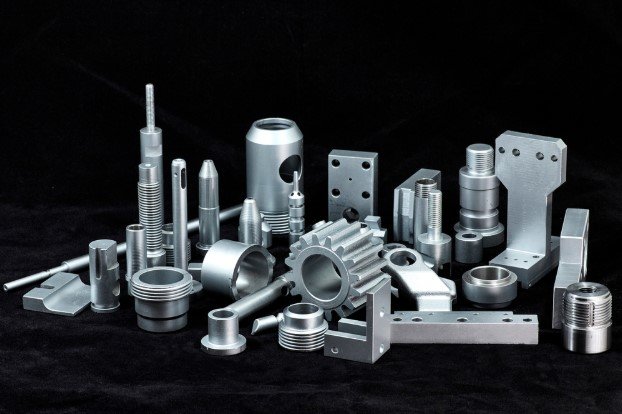
Maintaining the efficiency and longevity of machinery hinges on the timely identification and replacement of worn-out machine parts. Neglecting this crucial aspect can lead to unexpected breakdowns, increased repair costs, and compromised safety. This guide provides a comprehensive, step-by-step approach to help you effectively identify and replace worn-out machine parts, ensuring optimal machine performance.
Step 1: Conduct Regular Visual Inspections
The first line of defense in identifying worn-out machine parts is through regular visual inspections. Look for:
- Cracks, dents, or deformities: These are often indicative of stress or fatigue in the material.
- Loose or missing components: Such issues can lead to misalignments or operational failures.
- Signs of corrosion or rust: Corrosion can weaken parts, making them more susceptible to failure.
- Leaks or unusual fluid accumulations: Leaks can signal seal failures or component degradation.
Utilizing magnifying tools can help detect minute damages that may not be visible to the naked eye.
Step 2: Measure and Compare Specifications
After identifying potential issues visually, the next step is to measure the affected parts:
- Use precision tools: Employ calipers, micrometers, or gauges to measure dimensions accurately.
- Compare with manufacturer specifications: Ensure that the part’s dimensions align with the original specifications.
- Assess wear limits: Determine if the part has exceeded acceptable wear limits, necessitating replacement.
This step is crucial for parts where visual inspection alone may not reveal the extent of wear.
Step 3: Implement Non-Destructive Testing (NDT)
For critical components where failure could have severe consequences, non-destructive testing methods are invaluable:
- Ultrasonic testing: Detects internal flaws by measuring the time it takes for sound waves to travel through the material.
- Thermal imaging: Identifies hot spots that may indicate friction or electrical issues.
- Magnetic particle testing: Reveals surface and near-surface discontinuities in ferromagnetic materials.
These advanced techniques provide deeper insights into the integrity of machine parts, beyond what is visible to the naked eye.
Step 4: Plan for Part Replacement
Once a worn-out part is identified, it’s essential to plan for its replacement:
- Source the correct part: Determine whether to use Original Equipment Manufacturer (OEM) parts or aftermarket alternatives. OEM parts are designed to fit and function as the original, often ensuring better performance and longevity.
- Consider availability and lead times: Some parts may have long lead times; plan accordingly to minimize downtime.
- Evaluate cost-effectiveness: While OEM parts may be more expensive, their reliability can reduce long-term maintenance costs.
Choosing the right replacement part is crucial for maintaining machine performance and avoiding future issues.
Step 5: Safely Replace the Worn-Out Part
Replacing a worn-out machine part requires precision and safety:
- Follow manufacturer guidelines: Adhere to the specific instructions provided for part replacement.
- Use appropriate tools: Ensure that you have the necessary tools and equipment for the replacement process.
- Ensure proper alignment: Misalignment during installation can lead to premature wear or failure.
- Test the machine: After installation, run the machine under normal operating conditions to ensure the new part functions correctly.
Proper installation is key to the new part’s performance and the overall machine’s efficiency.
Step 6: Document the Replacement Process
Maintaining accurate records is vital for future maintenance:
- Log the replacement details: Record the part number, installation date, and any observations during the replacement process.
- Update maintenance schedules: Adjust future maintenance plans based on the new part’s expected lifespan.
- Monitor performance: Keep an eye on the machine’s performance to ensure the new part is functioning as expected.
Documentation helps in tracking the machine’s health and planning future maintenance activities.
Conclusion
Regularly identifying and replacing worn-out machine parts is essential for maintaining operational efficiency and safety. By following the steps outlined—conducting thorough inspections, measuring and comparing specifications, utilizing non-destructive testing, planning for replacements, ensuring safe installation, and documenting the process—you can effectively manage machine maintenance. For industries requiring high-speed packaging solutions, such as the beverage or food sectors, the Wexxar Case Erector offers automated systems that streamline the case forming process. Incorporating such advanced machinery can enhance productivity and reduce manual labor, aligning with best practices in machine maintenance and part replacement strategies.