
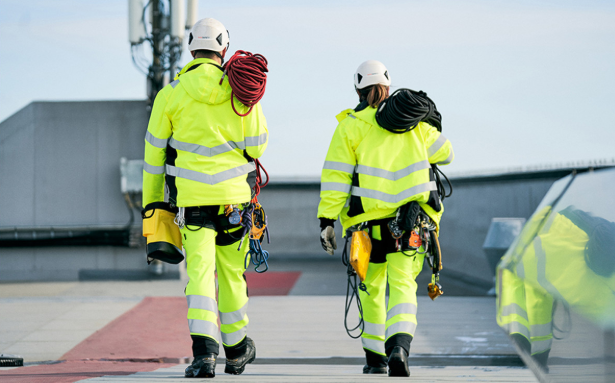
In Australia’s demanding work environments, whether in construction, mining, logistics, or agriculture, safety workwear isn’t just about compliance; it’s about protection, comfort, and long-term wellbeing. Australian workers are exposed to a wide range of hazards, from extreme weather and heavy machinery to chemicals and airborne particulates. Wearing the right gear significantly reduces risk and improves efficiency. This blog explores the top 10 essential items of safety workwear clothes that every Australian worker should consider as a core part of their daily toolkit.
High-Visibility Shirts and Jackets
High-vis clothing is a legal requirement in many industries and an absolute must on any job site with moving vehicles or heavy equipment. Fluorescent colours like yellow and orange, combined with reflective strips, ensure workers are visible both day and night. Lightweight cotton options are perfect for summer, while fleece-lined or waterproof high-vis jackets provide warmth and visibility during colder or wetter months.
Why it’s essential:
- Enhances visibility in low-light conditions
- Meets industry standards like AS/NZS 4602.1:2011
- Reduces accident risks in high-traffic work zones
Flame-Resistant (FR) Clothing
Workers in electrical, welding, or oil and gas industries need protection against heat and fire. Flame-resistant shirts, pants, and coveralls are made from specially treated fabrics that self-extinguish when exposed to fire, reducing burn severity.
Ideal for:
- Electrical technicians
- Welders and gasfitters
- Petrochemical industry workers
Protective Trousers and Overalls
Durable work trousers or bib-and-brace overalls are designed to withstand abrasions, tears, and chemical splashes. Reinforced knees and utility pockets add functionality for tradespeople, while flame-resistant or waterproof variants cater to niche applications.
Popular types:
- Cotton drill work pants
- FR-rated overalls
- Waterproof overtrousers for wet environments
Steel-Toe Safety Boots
Foot protection is a cornerstone of safety workwear. Steel or composite-toe boots guard against crush injuries, punctures, and slips. Modern designs include moisture-wicking linings, ankle support, and heat-resistant soles for comfort and safety.
Compliance Tip:
Ensure your boots meet the AS 2210.3:2019 standard for occupational protective footwear.
Hard Hats and Safety Helmets
Head protection is mandatory on most industrial sites. Hard hats protect against falling objects, electrical hazards, and bumps. Some modern models include integrated visors, ear protection, and chin straps for added safety and comfort.
Choose based on:
- Type 1 or Type 2 protection
- Accessory compatibility (e.g. earmuffs, visors)
- Vented vs. non-vented designs for heat regulation
Protective Eyewear
Eyes are particularly vulnerable to debris, chemicals, and UV radiation. Safety goggles or glasses with anti-fog coatings and UV protection are essential for tasks like grinding, welding, or working outdoors.
Tip:
Always select eyewear rated to AS/NZS 1337.1 for high-impact protection.
Gloves for Every Task
There’s no one-size-fits-all glove in safety workwear. Different jobs require different types of hand protection—chemical-resistant gloves, cut-proof gloves, or heat-resistant welding gloves.
Make sure your gloves offer:
- Appropriate grip and dexterity
- Fit and comfort for long use
- Certification under AS/NZS 2161 series
Hearing Protection
In noisy environments, such as workshops, manufacturing plants, or construction zones, long-term hearing damage is a serious risk. Earmuffs or earplugs with the correct Noise Reduction Rating (NRR) are critical.
Choose protection based on:
- Decibel level exposure
- Compatibility with other PPE (e.g., hard hats)
- Comfort during long shifts
Weather-Specific Safety Wear
Australia’s climate varies dramatically, so having weather-appropriate safety gear is key. From sun-protective long-sleeve shirts with UPF ratings to insulated thermal layers for cold regions, being prepared for the environment enhances both comfort and safety.
Options include:
- Waterproof jackets and pants
- Thermal socks and underlayers
- UPF-rated lightweight long sleeves
Dust Masks and Respirators
Inhaling dust, vapours, or fumes can cause severe health issues over time. Dust masks or P2-rated respirators are essential for anyone cutting concrete, sanding, or exposed to asbestos or silica particles.
Look for:
- AS/NZS 1716:2012 compliance
- Valve options for easier breathing
- Secure fit to prevent leakage
Conclusion
Safety isn’t optional, it’s vital. Whether you’re a site manager, tradesperson, or business owner, equipping yourself and your team with the right safety workwear can mean the difference between a safe shift and a serious incident. Each item discussed not only meets regulatory standards but also plays a role in boosting morale, productivity, and long-term health.
At the end of the day, the best safety workwear clothes are the ones that protect you from head to toe, day in and day out.