
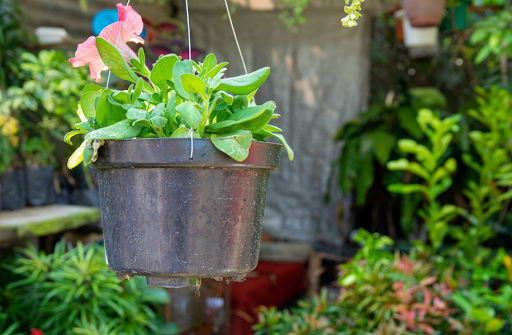
In today’s time, when the call for eco-conscious living is louder than ever, many of us are reconsidering our choices, starting with everyday materials like plastic. For a long time, I was actively working towards replacing plastic in my home. From storage containers to packaging, I gradually shifted to more sustainable alternatives. But as anyone on this journey knows, it isn’t always a straight path. Some things are harder to part with. That’s when I realised: it’s not just about discarding plastic, it’s about using it the right way.
That small mindset shift brought me to the world of plastic planters. Instead of adding to the waste problem, I decided to repurpose plastic in ways that served the planet. And what better way than to use it in gardening—the one hobby that naturally heals the environment?
A Second Life for Plastic
Plastic, when used wisely, can serve a purpose far beyond its initial life. When we throw it away, it sits in landfills for centuries. But if we can redirect its purpose into something like gardening, it no longer remains part of the problem—it becomes part of the solution.
That was my turning point. I chose to invest in durable plastic pots that would last me years. Not only did they offer utility, but they also made my garden setup more organised and vibrant. Today, when I step onto my balcony, I don’t just see plants. I see a space of intention, of purpose—a reflection of my eco-conscious efforts.
Why Choose Plastic Planters?
Let’s face it—planters made from ceramic, metal, or terracotta are beautiful but often delicate or heavy. Especially when gardening in apartments or balconies, you need options that are light, easy to move, weather-resistant, and budget-friendly. That’s where plastic planters shine.
They come in a wide variety of colours, shapes, and sizes, making them ideal for creative garden layouts. Whether you want a minimalist look or a bright, blooming corner, plastic planters are flexible enough to suit your style.
Additionally, these planters retain moisture longer than clay pots, reducing the need for frequent watering, making them ideal for busy city dwellers and also a water-wise choice.
Finding the Right Size Matters
When I started using plastic pots, I found that sizing played an important role in plant health. For instance, a plastic pot for plants 12 inch in diameter was perfect for medium-sized shrubs or flowering plants like hibiscus or rose. These offered enough space for root expansion and good drainage without being too bulky.
The best part is that you can plan your space efficiently by mixing different sizes—smaller pots for herbs and succulents, medium ones for ornamental plants, and large ones for mini fruiting plants or vegetables.
My Balcony’s Green Makeover
Of course, all of this wouldn’t have come together without the help of Urvann India. Their vast collection of planters made it easy for me to pick what suited my balcony best. What I loved most was that their platform felt like more than just a shopping website—it felt like a green community.
Thanks to them, my balcony is now a peaceful retreat. It’s not just about aesthetics; it’s a reminder of conscious choices. Every time I step out the door, I look back and smile—not just because of how beautiful it looks, but because it reflects growth, intention, and sustainability.
Sustainability Is About Balance
Going green doesn’t always mean throwing everything plastic out of your home. Sometimes, it means pausing and asking: Can I make this useful again?
Choosing plastic pots for plants was the answer for me. Instead of adding to plastic waste, I redirected it into a lifestyle that heals. The durability of these pots ensures they won’t need replacing anytime soon, and when cared for, they can last many seasons.
Ultimately, sustainability is about making choices that are better for the planet in the long run. When plastic is reused purposefully, it can support the very things we’re trying to protect—like nature, green spaces, and cleaner air.
Final Thoughts
If you’re on the same journey as me—trying to live more consciously—consider giving plastic a second life in your garden. Choose thoughtfully, support local eco-conscious platforms like Urvann India, and make your space one that blooms with intention.
After all, every planter you place, every plant you nurture, and every conscious choice you make is a step closer to a greener future.