
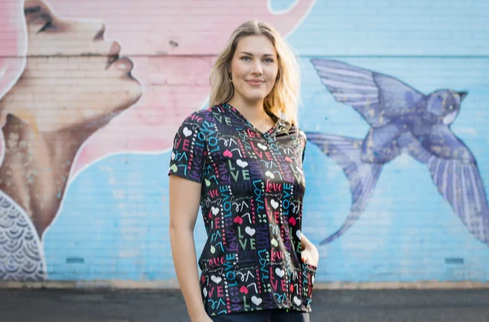
In the fast-paced world of healthcare, attire is often seen as purely functional—designed for comfort, hygiene, and utility. However, one particular category of clinical wear has evolved beyond its basic purpose: printed scrub tops. These patterned garments offer more than aesthetic appeal—they carry psychological and emotional weight, influencing both the healthcare provider and the patient. From soothing anxious children to fostering a sense of identity among staff, printed scrubs are playing a surprisingly important role in modern medical settings.
The Shift From Uniformity to Personality
Historically, medical scrubs were a symbol of sterility and uniformity, primarily designed in solid colors like blue, green, or white. However, over the past two decades, healthcare facilities—especially pediatric units and outpatient clinics—have increasingly welcomed printed scrub tops into their dress codes.
This shift is more than a style trend. According to research published in the Journal of Pediatric Nursing, children interacting with healthcare professionals wearing fun, printed scrubs reported feeling less anxious and more cooperative during procedures. Cartoon characters, animals, and colorful patterns can serve as emotional icebreakers, especially for younger patients who may already associate clinical settings with discomfort.
The Psychology of Patterns and Colors
Numerous psychological studies have demonstrated that colors and patterns can influence mood, perception, and behavior. For instance, colors like light blue and green are associated with calmness and healing, while bright colors like yellow and orange can evoke warmth and friendliness. Printed scrub tops featuring soft patterns, florals, or friendly animals can reduce stress and create a more relaxed atmosphere—benefiting both the patient and the healthcare provider.
Patterns also serve a psychological function for caregivers themselves. Wearing a unique or favorite scrub design can improve mood, build self-expression, and even reduce burnout. In emotionally demanding environments like oncology wards or emergency departments, even small visual cues can help boost morale.
Enhancing Patient-Provider Communication
Clothing plays a role in nonverbal communication, especially in healthcare environments where patients may be frightened or vulnerable. Printed scrub tops can act as conversation starters, helping healthcare workers establish rapport. This is particularly effective in pediatric and geriatric care, where cognitive or language barriers may exist.
For instance, a nurse wearing a scrub top with teddy bears or holiday-themed prints might find it easier to build trust with a nervous child or confused elderly patient. In many cases, these small connections can make the difference between a successful treatment interaction and a distressing one.
The Role of Seasonal and Holiday Prints
Seasonal prints like Christmas medical scrubs offer additional benefits. Wearing themed scrubs during the holidays can bring a sense of celebration and normalcy to patients who are spending festive seasons in a hospital or care facility. Studies in therapeutic environments have shown that celebrating holidays, even symbolically through clothing, contributes to better emotional health and patient satisfaction.
Moreover, holiday-themed scrubs can boost staff morale. Working through Christmas or New Year can be emotionally taxing, but festive attire helps foster a sense of unity and celebration within the team. Themed scrubs become part of workplace culture, showing patients that caregivers are human, approachable, and in tune with the outside world.
Institutional Acceptance and Professional Balance
While some medical institutions have dress code restrictions, many now support the use of printed scrub tops under specific guidelines. Hospitals are increasingly aware that staff satisfaction correlates directly with patient satisfaction. Allowing employees the freedom to choose personalised or seasonal patterns—so long as they remain professional—helps strike that balance.
The key is ensuring that prints are appropriate to the clinical setting. While cartoon characters may be ideal for a pediatric clinic, more subdued patterns might be better suited for adult oncology or surgical wards. Many scrub manufacturers now offer collections tailored to different departments and patient demographics, making it easier to align fashion with function.
Conclusion
Printed scrub tops are far more than a trend—they’re tools for communication, emotional support, and professional identity. From improving patient engagement to boosting caregiver morale, the psychological impact of patterns and prints in healthcare settings is well-documented and increasingly embraced. Whether it’s whimsical animal designs in pediatric wards or Christmas medical scrubs that bring seasonal cheer, printed scrubs play a vital role in creating a positive healthcare environment. As more institutions recognize the value of this subtle yet powerful shift in clinical attire, it’s clear that fashion and function can—and should—coexist in the medical field. For caregivers looking to spread a bit of joy during the holidays, xmas nursing scrubs are a perfect way to combine spirit with service—proving that even in the most clinical settings, a touch of humanity makes all the difference.