
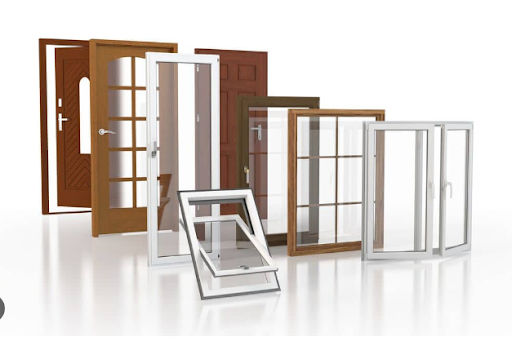
We use them every single day. We open them, close them, lock them, and look through them. But how often do we actually think about what goes into making a window or a door?
The truth is, these everyday objects are marvels of engineering. Each one is made up of dozens of individual components, all working together to keep your home secure, comfortable, and beautiful. Understanding these parts isn’t just interesting—it can help you make smarter decisions when it’s time to replace or upgrade.
So let’s pull back the curtain and explore the anatomy of windows and doors.
The Frame: The Skeleton of Your Window
Everything starts with the frame. This is the outer structure that holds the entire window or door together. It’s typically made from timber or aluminium, each offering distinct advantages.
Timber frames bring natural warmth and excellent insulating properties. They’re atraditional choice that suits heritage homes beautifully. Aluminium frames offer strength, slim profiles, and exceptional durability, making them ideal for modern designs and coastal environments.
The frame is more than just a holder for glass. It’s the structural backbone that determines how your window performs, how it looks, and how long it lasts.
The Sash: The Moving Part
On many windows, particularly double-hung styles, you’ll hear the term “sash.” The sash is the movable part of the window that holds the glass. In a double-hung window, there are two sashes—an upper and a lower—that slide past each other vertically.
The sash includes the stiles (the vertical side pieces) and rails (the horizontal top and bottom pieces) that surround the glass. These components need to be precisely engineered to ensure smooth operation and a tight seal when closed.
The Jamb: The Inner Frame
The jamb is the inner surface of the window frame—the part you see when you look at the sides and top of the opening. It’s what the sash sits against when the window is closed. A well-constructed jamb ensures a proper fit and helps prevent drafts.
The Sill: The Bottom Line
The sill is the horizontal piece at the bottom of the window opening. It’s slightly angled to allow water to drain away from the window. A poorly designed or installed sill can lead to water pooling and eventually causing damage. Quality sills are engineered to shed water efficiently while maintaining a clean appearance.
The Head: The Top of the Frame
Opposite the sill, the head is the horizontal piece at the top of the window frame. It provides structural support and completes the frame’s rectangle.
Mullions and Muntins: The Dividing Lines
You’ve seen these before, even if you didn’t know their names.
Mullions are the vertical or horizontal bars that separate two or more window units within a single frame. They’re structural elements that allow multiple windows to be combined into one larger opening.
Muntins (sometimes called grilles or glazing bars) are the thinner strips that divide a single pane of glass into smaller sections. They’re often decorative, creating that classic divided-light look you see in heritage homes.
Glazing: The Glass Itself
The glazing is the glass panel. Modern windows typically feature double glazing—two panes of glass separated by a spacer bar and filled with insulating gas like argon. This dramatically improves energy efficiency by reducing heat transfer.
The type of glass you choose matters too. Low-E coatings reflect heat, laminated glass adds security, and toughened glass provides safety.
Weather Seals: The Invisible Protectors
You can’t see them, but weather seals are critical. These are the rubber or foam strips that run along the edges of the sash and frame. They compress when the window closes, creating an airtight barrier that keeps out drafts, rain, and dust.
High-quality seals are essential for energy efficiency. Without them, even the best-designed window would leak air and lose performance.
Hardware: The Finishing Touch
Finally, we come to the hardware—the locks, handles, hinges, and operators. These are the components you interact with most directly.
Quality hardware makes a tangible difference. A well-engineered lock provides security and peace of mind. A smoothly operating handle feels satisfying to use. Durable hinges ensure your windows open and close effortlessly for years.
When choosing windows and doors, don’t overlook the hardware. It’s a small part of the overall system but one you’ll use every single day.
Why This Matters
Understanding the anatomy of your windows and doors helps you ask better questions. When a manufacturer talks about “thermal breaks” or “multi-point locking,” you’ll know what they mean. When you’re comparing quotes, you can assess whether the components specified are genuinely high-quality.
Valley Windows has been crafting custom timber and aluminium windows from theirGippsland facility since 1983. Every component they use is selected for quality, performance, and longevity.
The Complete Picture
Windows and doors are complex assemblies, not simple products. Every component—from the frame to the hardware—plays a role in how they perform, how long they last, and how they look.
Next time you open a window or walk through a door, take a moment to appreciate the engineering behind it. These everyday objects are a testament to thoughtful design and quality craftsmanship.