
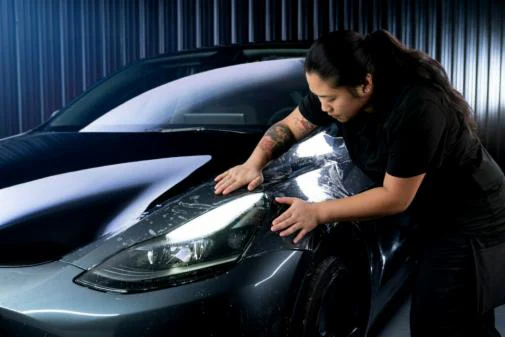
Owning a vehicle in India comes with a proportion of traumatic situations. From loose gravel on highways to crowded parking lots, extreme daylight hours, and unpredictable weather, vehicle paint can suffer from various damages and tears. Even a well-maintained vehicle can expand pebbles, scratches, and silly patches over the years. This is why paint protection film has become a well-known desire among vehicle owners who need to preserve the authentic finish on their motors.
Rather than relying entirely on polishing or ground coatings, PPF provides a physical layer between paint and everyday hazards. If you consider it inside your car, knowing the substances, setup methods, and maintenance desires allows you to desire higher.
What Is Paint Protection Film?
Paint protection film, commonly referred to as PPF, is a clear or finish-specific film applied to the painted panels of an automobile. It is generally constructed from curved, long-lasting materials designed to take small impacts and minimize damage to the floor.
Unlike waxes or liquid coatings, PPF forms a physical barrier over the paint job. This makes it mainly beneficial towards small stones, street dirt, soft scratches, and ordinary abrasions. Modern films can also work in an era of self-recovery.
Why Is PPF Useful for Indian Driving Conditions?
Indian roads expose vehicles to a variety of potential paint hazards. Highway journeys can send small stones towards the bonnet and front bumper, while narrow streets and crowded parking spaces increase the likelihood of minor scrapes.
Outdoor parking creates another challenge. Sunlight, bird droppings, tree sap and airborne contaminants can affect the appearance of paint if they are not addressed promptly.
Paint protection film helps reduce some of these risks by taking the initial exposure instead of leaving the paint completely unprotected. It cannot prevent every form of damage, but it can be particularly valuable for vehicles driven frequently or kept for several years.
Which Areas of a Car Should You Protect?
Full-body PPF offers extensive coverage, but it is not essential for every owner.
If your budget is limited, consider protecting the areas most exposed to road debris:
- Front bumper
- Bonnet
- Front fenders
- ORVMs
- Door edges and handles
Drivers who regularly travel long distances may prefer broader coverage. For someone using a car mainly for short city commutes, a carefully selected partial package may be sufficient.
PPF vs Ceramic and Borophene Coating
Knowing how different products function makes it easier to select the right protection.
Ceramic coatings are liquid paints that create a thin layer on top of the paint. They can improve gloss, water repellency, and cleanability, but they don’t provide the same impact protection as a physical film.”
Borophene coating is a high-end surface treatment related to nanomaterials or boron-based materials. However, formulations and documented performance can vary between products, so buyers should check actual specifications rather than relying on the names alone.
Neither a ceramic coating nor a borophene coating should automatically be considered a substitute for PPF when stone-chip protection is the main objective.
Some owners choose to combine PPF on vulnerable panels with a compatible coating for additional surface-maintenance benefits. Always confirm compatibility with the film manufacturer before applying a coating over PPF.
How Much Does PPF Cost in India?
PPF installation cost is variable. The quote will depend on the vehicle size, film quality, coverage, and installation complexity.
Ask for the exact brand and series of the film. Warranty, inclusions of installation, and expected life before accepting a quotation. Comparing two packages based on price alone can be misleading if the materials and coverage differ.
A transparent quote should let you know what you’re paying for.
Why Installation Quality Matters
An experienced installer will pay attention to panel alignment, curves, edges, and recessed sections. Poor finishing can lead to visible seams, trapped contamination, or lifting around the edges.
Before collecting your car, inspect the installation in good lighting and ask about the recommended curing period and aftercare instructions.
Is PPF Worth the Investment?
If owners want to keep their original paint, PPF can be a good add-on. It is especially important for new cars, cars that have been driven on the expressway, and for motors that are going to be in the family for years.
Ultimately it comes down to what you can afford, how you ride, and what you expect. You don’t want full coverage of your body, and the best product isn’t necessarily a great fit for every car.
Conclusion
Investing in paint safety film—you already have to set the finish protective; now it does not make your car indestructible. The right film can minimize ordinary paint loss, while careful setup and realistic maintenance help keep it looking. Before deciding on a bundle, check the product’s specs, warranty clauses, and the installer’s enjoyment.
If you are also considering a borophene coating, compare its documented benefits separately, and do not forget that surface coatings and body films serve exclusive purposes A pretty-savvy selection will help you choose the safety that best suits your vehicle, your riding situation, and your long-term ownership plans.