
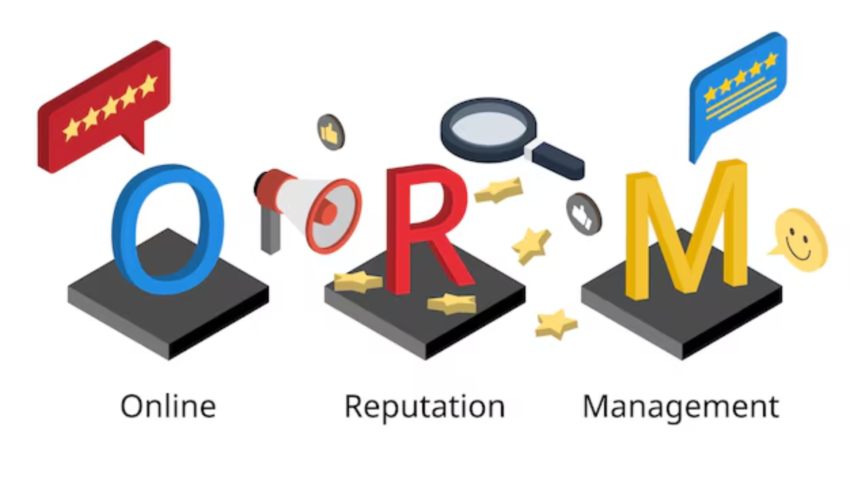
A customer who is considering your company will probably search for it before making contact. What they find in those few minutes, from reviews and news stories to social media comments, can decide whether they proceed or look elsewhere. Online reputation management is the ongoing work of shaping and protecting that impression. A clear reputation management strategy makes the work manageable by breaking it into stages. Here are the five key steps every organisation should follow.
Step 1: Audit Your Current Reputation
You cannot improve what you have not measured. Start by searching for your organisation, your leaders and your main products on search engines, review sites, social platforms and news archives. Note the first two pages of results, since few people look beyond them. Record the tone of each mention as positive, neutral or negative, and identify recurring themes such as slow delivery, poor customer service or outdated information.
Do not forget internal sources. Customer support tickets, sales feedback and employee review sites often reveal issues that public channels have not yet exposed. This audit gives your reputation management strategy a baseline, and it shows where the greatest risks and opportunities lie.
Step 2: Set Goals for Your Reputation Management Strategy
Once you know where you stand, decide where you want to be. Choose a few clear objectives, such as raising your average review rating, ensuring that accurate company information appears at the top of search results or reducing the number of unanswered complaints. Link these goals to business outcomes, like more enquiries or stronger recruitment, so that your reputation management strategy earns support from senior leaders.
At this stage, also define the qualities you want associated with your brand, for example reliability, expertise or community commitment. Strong corporate reputation management depends on being clear about the story you are trying to tell and ensuring that your actions support it.
Step 3: Build Positive, Authoritative Content
Your own channels are the most powerful tool you control. Make sure your website is accurate, up to date and easy to navigate. Publish helpful articles, case studies and expert commentary that demonstrate your knowledge. Keep social media profiles active and consistent, and claim business listings so that contact details and descriptions are correct.
Third-party credibility matters too. Earn coverage in respected publications, contribute to industry events and encourage satisfied customers to share their experiences. Organisations that need a structured reputation management strategy often work with specialist advisers who can combine media relations, content and monitoring into one coordinated approach. Over time, a steady flow of credible material pushes weaker or outdated content down the rankings.
Step 4: Monitor and Respond Quickly
Reputation changes by the hour, so monitoring within your reputation management strategy should be continuous. Set up alerts for your brand name, key people and relevant topics. Check review platforms and social channels daily, and agree who is responsible for responding.
When you respond, be prompt, polite and factual. Thank customers for positive feedback. For complaints, acknowledge the problem, apologise where appropriate, offer a solution and move longer discussions to a private channel. Never argue publicly or delete legitimate criticism, because that usually makes matters worse. A thoughtful reply often impresses onlookers more than the original complaint concerned them.
Effective reputation risk management also means watching for early warning signs. A sudden rise in negative comments, a rumour spreading in a community group or an unusual press enquiry may signal a larger problem. Escalate these quickly to senior leaders so that a response can be prepared before the issue grows.
Step 5: Review, Learn and Improve
The final step closes the loop. Every quarter, compare your results with the baseline from your audit. Have review scores improved? Are search results more accurate? Is response time faster? Share the findings with leadership and use them to adjust your reputation management strategy.
Look for patterns behind the feedback. If several customers mention the same issue, fix the root cause rather than simply replying to each comment. This is where brand reputation protection becomes a company-wide effort. Operations, customer service, human resources and communications all influence how people see the organisation, so they must work together.
Common Mistakes to Avoid
Several errors appear again and again. Some organisations wait until a crisis before taking reputation seriously. Others buy fake reviews, which can damage credibility permanently if discovered. Some respond defensively, or ignore criticism in the hope that it will disappear. Avoid each of these habits and keep your reputation management strategy focused on honest, steady improvement. Honest, steady improvement also protects you from the temptation to chase quick fixes that create new problems later. Small, consistent actions add up faster than expected.
Conclusion
A successful reputation management strategy follows a simple cycle: audit, set goals, build content, monitor and respond, then review and improve. None of these steps requires dramatic gestures, but all of them require consistency. Begin with an honest look at how you appear online today, and you will soon be able to shape that picture with confidence and care.