
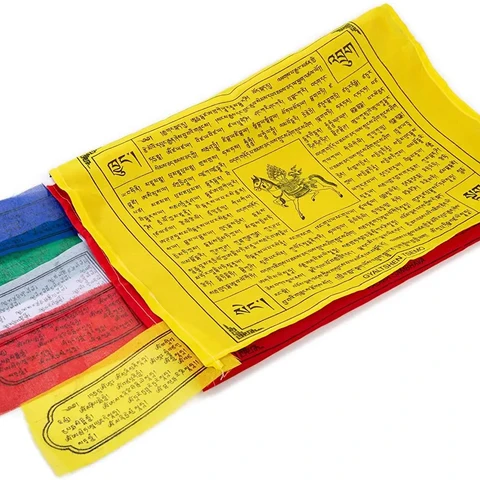
Every culture has symbols that inspire hope, peace, and spiritual connection. Across the Himalayan region, colorful prayer flags have long represented these timeless values, bringing beauty and meaning to homes, temples, gardens, and sacred spaces. Their vibrant colors and meaningful inscriptions remind people to cultivate compassion, wisdom, and harmony in everyday life. Among these cherished spiritual items, Buddhist flags hold a special place.
They are more than decorative fabrics fluttering in the wind; they are sacred symbols believed to spread blessings, positive energy, and prayers wherever the breeze carries them. Whether displayed outdoors or used as part of personal meditation spaces, these flags continue to inspire people around the world with their rich symbolism and cultural significance.
The Meaning Behind Buddhist Flags
Buddhist prayer flags originated in the Himalayan regions of Nepal, Tibet, and surrounding areas. Traditionally, they are inscribed with sacred mantras, prayers, and symbolic images that reflect Buddhist teachings. Unlike many religious symbols that are intended only for personal devotion, prayer flags are believed to benefit everyone.
As the wind passes through the fabric, it is said to carry the prayers and positive intentions into the surrounding environment, spreading peace, compassion, and goodwill. Instead of praying for individual gain, these flags represent collective well-being. They remind people that happiness grows through kindness, generosity, and respect for all living beings.
The Symbolism of the Five Colors
One of the most recognizable features of Buddhist flags is their vibrant sequence of five colors. Each color represents one of the natural elements that maintain balance in the universe.
- Blue symbolizes the sky and space.
- White represents air and wind.
- Red signifies fire and transformation.
- Green reflects water, growth, and harmony.
- Yellow symbolizes earth and stability.
Together, these colors remind us that balance exists not only in nature but also within ourselves. Displaying prayer flags is often seen as an invitation to maintain inner peace while respecting the interconnectedness of all life.
More Than Spiritual Decorations
Many people admire Buddhist flags because of their visual appeal, but their purpose extends far beyond aesthetics. Each movement of the fabric symbolizes the continuous flow of blessings. Over time, the flags naturally fade under sunlight and weather conditions. Rather than representing deterioration, this fading reflects the Buddhist belief that everything in life is temporary and constantly changing.
They are commonly placed in locations where the wind can freely move through them, such as:
- Mountain paths
- Gardens
- Balconies
- Meditation rooms
- Temple entrances
- Yoga studios
This gentle reminder of impermanence encourages people to appreciate the present moment and embrace life’s natural cycles.
How Buddhist Flags Promote Positive Energy
Prayer flags are closely connected with the idea of creating peaceful surroundings. Many individuals hang them during important life events, meditation practices, or when beginning a new chapter in life. While beliefs may differ across cultures, many people appreciate these flags as meaningful symbols that inspire optimism and emotional well-being.
Their presence encourages mindfulness by serving as a daily reminder to:
- Practice compassion.
- Let go of negativity.
- Cultivate gratitude.
- Support harmony within families and communities.
- Maintain spiritual awareness.
Choosing Authentic Prayer Flags
Not all prayer flags are created with the same level of craftsmanship. Authentic handmade flags often feature carefully printed sacred texts using traditional techniques that have been preserved for generations. Many people today also seek wholesale Nepalese prayer flags for meditation centers, yoga studios, monasteries, cultural organizations, and retail businesses.
Purchasing authentic products supports artisans who continue to preserve centuries-old traditions while ensuring that buyers receive culturally respectful and high-quality pieces. Choosing handcrafted products also helps keep traditional craftsmanship alive in communities where these artistic skills have been passed down from one generation to the next.
When selecting prayer flags, consider factors such as:
- Durable natural fabrics
- Traditional printing methods
- Authentic symbolism
- Skilled artisan craftsmanship
- Ethical sourcing
The Cultural Importance of Prayer Flags
Prayer flags are deeply woven into Himalayan culture and religious life. Families often display them during festivals, ceremonies, pilgrimages, and important milestones. They symbolize hope during difficult times, gratitude during joyful occasions, and compassion for all living beings. Rather than serving as personal possessions, they reflect the idea that positive intentions should be shared openly with the world.
This universal message has contributed to their growing popularity beyond Buddhist communities. Today, people from various backgrounds appreciate prayer flags as symbols of mindfulness, peace, and spiritual connection.
Caring for Your Prayer Flags
Proper placement and respectful handling help preserve the cultural significance of Buddhist flags. Since fading is considered a natural part of their spiritual journey, replacing older flags with new ones continues the tradition while honoring the cycle of renewal.
Some helpful practices include:
- Hang them in clean, elevated locations.
- Allow natural airflow whenever possible.
- Avoid placing them directly on the ground.
- Replace worn flags respectfully when they become heavily weathered.
- Learn about their symbolism to appreciate their deeper meaning.
Why Handmade Craftsmanship Matters
Every handcrafted prayer flag carries the dedication of artisans who invest time, patience, and traditional knowledge into their work. Unlike mass-produced alternatives, handmade pieces often reflect greater attention to detail and authenticity.
Supporting artisan-made products also contributes to preserving cultural heritage. Skilled craftspeople continue techniques that have existed for centuries, ensuring future generations can experience these meaningful traditions. Choosing authentic handmade products is therefore not simply a purchasing decision, it is a way of respecting history, craftsmanship, and the communities that keep these traditions alive.
Conclusion
The beauty of prayer flags extends well beyond their colorful appearance. They represent centuries of wisdom, compassion, and hope, inspiring people to embrace peace while sharing positive intentions with the world. Their enduring symbolism also reflects the remarkable artistry found in traditional Nepalese crafts, where every handcrafted creation carries cultural meaning and exceptional skill.
For those seeking authentic Himalayan products crafted with care and cultural respect, businesses that work closely with experienced artisans make a meaningful difference. Himalayan Bazaar reflects this commitment by offering thoughtfully handcrafted Nepalese and Tibetan creations while supporting skilled craftspeople through ethical practices and sustainable livelihood opportunities. By valuing genuine craftsmanship, they help preserve timeless traditions and ensure these beautiful cultural expressions continue to inspire people across generations.