
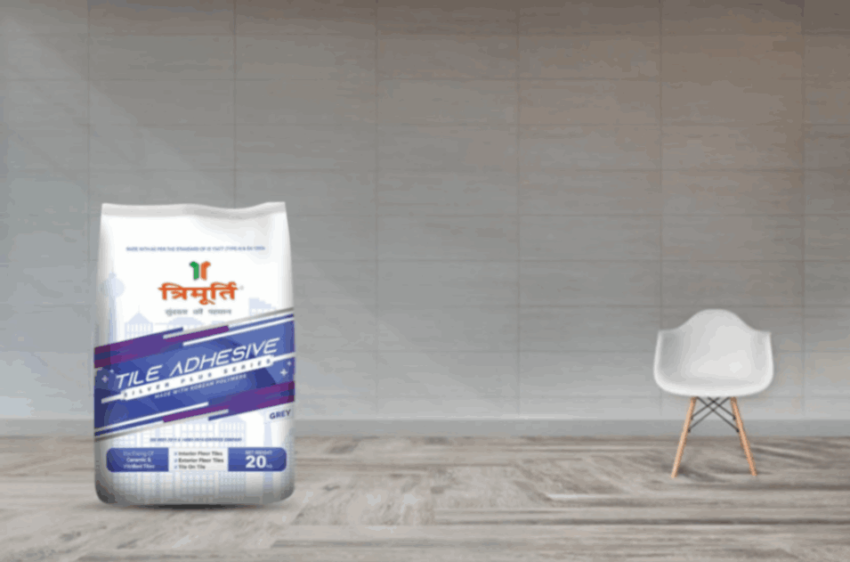
Building a strong house is a dream for many and when you get the right materials to cherish your dream, you put in your best efforts to accomplish it. A structure that is strong and promises to be long-lasting depends largely on the choice of materials that are used to construct it. Sometimes things as simple as choosing the right adhesive for tiles is a stepping stone for a secure and long-lasting installation. It turns out to be one of the major decisions that can influence the appearance and strength as well as the life of your prized possession.
As tile adhesives come in different types, and can be organic or epoxy adhesives, you can choose the material that suits your needs the most. These tiles are designed for specific tile materials and environments. So know about your exact needs and the environment of the place where you are planning to use these tiles. The adhesive’s compatibility with the surface and its water resistance are crucial factors to consider before finalizing your choice. This can drastically affect the quality of work in wet areas such as bathrooms and surfaces made of concrete or drywall. The manufacturer may also provide guidelines to ensure the chosen adhesive performs best for specific tile installation needs. Let us look in detail at the various tips to consider while choosing the tile adhesive for your installation:
- Understand the types of tile adhesives: One of the foremost steps in selecting the right tile adhesive for your walls is knowing the different types of tiles and adhesives that help them stay secure on the walls. The most common type of adhesive is the cement-based one, typically used for natural stone tiles and ceramic ones. This adhesive is available in powdered form and ready-mix type. The powdered type needs to be mixed according to the instructions and is ideal for standard installations as it is versatile and economical in the long run. The ready-mix is easier to apply and is used for lighter applications. While epoxy adhesive is known for its durability and resistance to chemicals and moisture, the organic adhesives attract buyers preferring natural materials making it more flexible and subsequently more expensive.
- Consider the type of tile: Look at the kind of tile that you are using as the quality and type of tile can affect the adhesive choice considerably. While most residential complex builders prefer using ceramic and porcelain tiles, the natural stone and marble choice is best suited for the outdoors. This mandates differential dealing with the type of material used outdoors that needs protection against discolouration and the material used indoors that needs focus on sturdiness and finish. It is thus essential to use an adhesive specifically designed for the material to give secure bonding and adjust according to the environmental needs.
- Flexibility of the adhesive: It is vital to consider the properties of the adhesive and use them accordingly. The flexibility is an important consideration, especially in places where the temperature changes frequently exposing the tiles to extreme weather conditions. The adhesive must allow the tiles to adjust and accommodate according to these temperature changes and fluctuations so that there is no visible damage to the flooring or walls.
- Location of tile installation: For a standard indoor wall and floor tiling the cement-based adhesive seems to be ideal while for wet areas the need for a waterproof adhesive is required. Depending upon the application of the tiles and the placement, the adhesive must stand the test of time and climatic conditions. This requires the use of flexible and secure adhesives to give strength and durability depending upon the moisture and temperature conditions.
- Consider drying time and working time: It is equally important to consider the drying time while constructing a structure so that your project timelines are met efficiently. Though some adhesives may take time to set and cure, others are relatively quicker to dry. The humidity factor may play an additional role in deciding the kind of adhesive to use so that the working time of installing the tiles may not be affected.
- Adhesive strength: The adhesive bond and strength greatly decide the quality of construction and durability. An adhesive with superior bond strength holds the tiles to the substrate and ensures that the tiles stay securely placed for years. The time taken for preparation and the application of the adhesive collectively affect the strength the bond holds. The ready-mixes appear to be more appropriate for light-duty or smaller applications. However, to get the bonds to display real strength and stability, it is vital to know the exact adhesive for the purpose it is being used.
- Ease of application: The ready-mixes are sure easy to apply and fit best for smaller applications. However, if you are looking for long-term strength and hardness, choose the adhesive that stays secure such as the powdered version that offers more strength and flexibility in addition to being cost-effective.
- Adhesive for specific substrates: Sometimes you have to customize your needs according to the needs of specifications in a project. This necessitates the need to apply specific adhesive types for additional strength and endurance. Some adhesives are designed for specific materials such as wood or concrete and bonding tiles. So choose the most appropriate material to get the desired results.
Conclusion: Adhesives and glue are important parts of securing the strength of a house. The different types of tiles need different treatment depending upon the environment they are subject to. Look for the specific needs of your project and choose the tiles and the adhesives accordingly. Whether you are installing tiles in a bathroom, kitchen, or outdoor space, choosing the right adhesive ensures your tiles stay secure for years to come. It is advisable to consult the manufacturer’s guide to find the right set of adhesives to be used in specific situations. It is pertinent to choose the right set of adhesives for tiling as this ensures the durability and lifespan of the installation. Using the right material as gypsum plaster to create a smooth and durable finish or as a wall protector can immensely alter the strength and sturdiness of the structure. The inner walls hold equal weight when it comes to designing and constructing a strong house that will last for many years to come. Choose the right construction material and adhesives to ensure the house stays robust and resilient to various weather conditions. Understand your needs and the factors that affect the choice of materials and adhesives to help simplify the process. Go for an adhesive that secures the tiles and keeps them in place for years.