
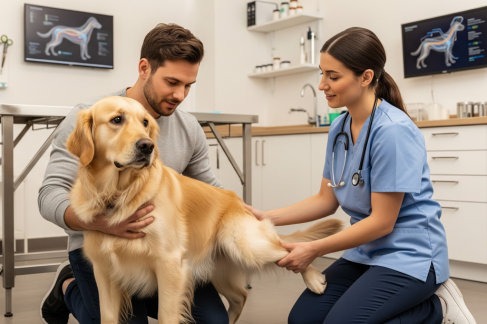
Few things are more frightening for pet owners than seeing their dog struggle to walk or suddenly lose mobility. Dog paralysis can develop gradually or occur suddenly, and early recognition of the warning signs can make a significant difference in your pet’s recovery and quality of life. In many cases, prompt veterinary intervention can prevent partial weakness from progressing into complete paralysis.
Understanding the symptoms and seeking immediate medical attention can help ensure your dog receives the treatment they need before irreversible nerve damage occurs.
What Is Dog Paralysis?
Dog paralysis refers to the loss of voluntary movement in one or more parts of the body due to damage or dysfunction in the nervous system. Depending on the underlying cause, paralysis may affect:
- One limb
- Both hind legs
- All four limbs
- The face or tail
Some dogs experience gradual weakness, while others may suddenly lose the ability to stand or walk. Paralysis can result from spinal injuries, neurological diseases, infections, tumors, or degenerative conditions.
Why Early Detection Is Critical
The nervous system is highly sensitive, and delays in treatment can lead to permanent damage. Conditions such as intervertebral disc disease (IVDD), spinal cord injuries, and certain infections require urgent care.
Early diagnosis can:
- Improve the chances of recovery.
- Prevent progression to complete paralysis.
- Reduce pain and discomfort.
- Increase treatment options.
- Enhance long-term quality of life.
Recognizing subtle symptoms before paralysis becomes severe is essential.
1. Weakness in the Hind Legs
One of the earliest warning signs of paralysis is weakness in the back legs.
Your dog may:
- Struggle to jump onto furniture.
- Have difficulty climbing stairs.
- Seem less stable while standing.
- Tire quickly during walks.
Many owners mistake these symptoms for normal aging or arthritis, but hind limb weakness can indicate spinal cord compression or neurological disease.
2. Dragging the Feet or Knuckling
Dogs with developing nerve problems often drag their paws while walking. Some may walk with their toes curled under, a condition called knuckling.
Common signs include:
- Scraped nails.
- Worn paw pads.
- Scuff marks on the floor.
- Unusual paw positioning.
These abnormalities suggest that the nerves responsible for proper limb movement may be compromised.
3. Loss of Coordination and Balance
Ataxia, or poor coordination, is another early symptom that should never be ignored.
Affected dogs may:
- Stagger while walking.
- Sway from side to side.
- Cross their legs awkwardly.
- Fall unexpectedly.
Loss of balance can indicate diseases affecting the spinal cord, brain, or inner ear and often requires neurological evaluation.
4. Reluctance to Move or Exercise
Dogs experiencing pain or weakness may become hesitant to engage in normal activities.
You may notice your dog:
- Sleeping more than usual.
- Avoiding walks.
- Refusing to jump or run.
- Showing less interest in playtime.
A sudden decrease in activity should always be investigated, especially if accompanied by other neurological symptoms.
5. Neck or Back Pain
Pain is frequently present before paralysis develops.
Signs of spinal discomfort include:
- Crying out when touched.
- Arched back posture.
- Stiff neck.
- Trembling or shaking.
- Difficulty lying down or standing up.
Conditions such as intervertebral disc disease can cause severe pain before mobility is affected. Prompt treatment for dog back-leg paralysis can prevent worsening nerve damage.
6. Wobbling or Unsteady Walking
An unsteady gait may appear long before complete paralysis occurs.
Dogs may:
- Walk slowly.
- Sway while moving.
- Have trouble turning corners.
- Collapse occasionally.
This symptom often indicates spinal cord disease or degenerative neurological disorders that require specialized veterinary care.
7. Sudden Collapse
Sudden collapse or inability to stand is considered a medical emergency.
Possible causes include:
- Spinal cord trauma.
- Fibrocartilaginous embolism (spinal stroke).
- Severe disc herniation.
- Neurological disease.
- Toxicity.
Immediate veterinary attention is crucial because treatment outcomes are often better when intervention occurs quickly.
8. Changes in Bladder or Bowel Control
The nerves controlling urination and defecation can be affected by spinal cord damage.
Warning signs include:
- Urinary accidents.
- Difficulty urinating.
- Loss of bowel control.
- Inability to squat normally.
These symptoms frequently occur in dogs with advanced spinal disease and require urgent evaluation.
9. Muscle Tremors or Twitching
Abnormal muscle movements can indicate nerve dysfunction.
You may observe:
- Involuntary shaking.
- Muscle spasms.
- Persistent twitching.
- Leg tremors.
These symptoms may appear before noticeable weakness develops and should be discussed with your veterinarian.
10. Changes in Tail Movement
A dog’s tail can provide important clues about neurological health.
Signs of concern include:
- A limp or motionless tail.
- Difficulty wagging.
- Tail dragging.
- Pain when the tail is touched.
Tail paralysis may indicate injuries affecting the lower spinal cord or nerves.
Common Causes of Dog Paralysis
Several conditions can lead to paralysis in dogs, including:
Intervertebral Disc Disease (IVDD)
A herniated disc places pressure on the spinal cord and is one of the most common causes of paralysis.
Degenerative Myelopathy
This progressive neurological condition primarily affects older dogs and causes gradual weakness in the hind limbs.
Trauma
Car accidents, falls, and physical injuries can damage the spinal cord.
Tumors
Brain or spinal tumors may interfere with nerve function.
Tick Paralysis
Certain tick species release toxins that can cause temporary paralysis.
Infections and Inflammation
Diseases affecting the nervous system may lead to weakness and mobility problems.
Which Dogs Are More at Risk?
Certain breeds have a higher risk of developing paralysis-related conditions.
These include:
- Dachshunds
- French Bulldogs
- Corgis
- Beagles
- German Shepherds
- Boxers
- Labrador Retrievers
Older dogs and overweight pets are also more susceptible to spinal disorders.
When Should You Seek Emergency Veterinary Care?
Contact your veterinarian immediately if your dog:
- Suddenly cannot walk.
- Drags one or more limbs.
- Experiences severe pain.
- Loses bladder or bowel control.
- Collapses unexpectedly.
- Develops rapidly worsening weakness.
Neurological emergencies often require advanced imaging such as MRI or CT scans to determine the cause and guide treatment.
Treatment Options for Dog Paralysis
Treatment depends on the underlying condition and may include:
- Anti-inflammatory medications.
- Pain management.
- Surgery for spinal compression.
- Physical rehabilitation.
- Laser therapy.
- Hydrotherapy.
- Mobility aids such as wheelchairs.
When dog paralysis treatment begins early, it aids in partially or completely recovery.
Final Thoughts
Dog paralysis rarely occurs without warning. Weakness, balance problems, dragging paws, pain, and changes in coordination are all signs that should never be dismissed. While some conditions progress slowly, others can lead to permanent paralysis within hours or days.
By recognizing these early warning signs and seeking prompt veterinary care, you can give your dog the best possible chance for recovery and help preserve their mobility and quality of life for years to come.