
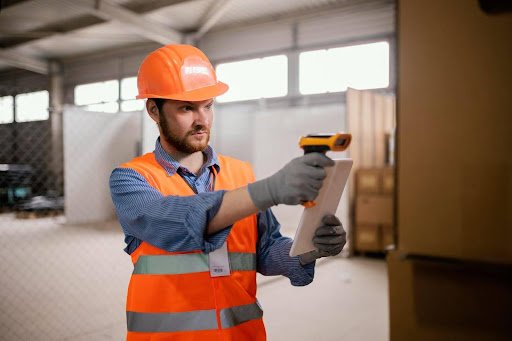
Maintaining the integrity of concrete structures is not just a matter of compliance; it’s a critical safety concern. For construction professionals, engineers, and property owners, understanding the internal condition of concrete can prevent failures, costly repairs, and safety hazards. Modern technology now allows us to inspect concrete structures in detail without causing damage, providing accurate insights into hidden reinforcements, potential voids, and embedded utilities. One of the most effective tools available is GPR concrete scanning, which uses radar technology to generate detailed internal maps of concrete elements. By leveraging this non-destructive method, stakeholders gain confidence in the structural health of their buildings and infrastructure projects, ensuring both safety and efficiency in construction and maintenance operations.
The Role of Advanced Concrete Diagnostics
Advanced concrete diagnostics enable professionals to explore the internal composition of concrete structures without cutting, drilling, or otherwise compromising their integrity. The precision of gpr concrete scanning provides accurate locations of steel reinforcement, post-tension cables, and conduits, helping engineers plan interventions effectively.
- Identifying Reinforcements: Steel rebars and post-tension cables provide the strength and stability that concrete alone cannot offer. Advanced scanning technology accurately detects their placement and depth, ensuring that no critical element is damaged during renovation, drilling, or core sampling. Proper identification of reinforcements also helps in retrofitting processes and ensures the longevity of structural elements.
- Detecting Voids and Cracks: Voids, honeycombing, and cracks inside concrete structures significantly reduce load-bearing capacity. Using radar scanning, these imperfections are identified early, allowing engineers to design appropriate reinforcement strategies. Detecting these issues before they propagate ensures the safety of workers and occupants while minimizing long-term repair costs.
- Mapping Embedded Utilities: Concrete often conceals plumbing, electrical conduits, or other utility lines. Accurate mapping using scanning technology prevents accidental strikes during construction activities. This minimizes project delays, avoids financial losses, and ensures compliance with safety regulations, especially in large commercial or industrial sites.
- Evaluating Material Density: Variations in density within a concrete element may indicate poor-quality material or deterioration over time. By analyzing density patterns through non-destructive scanning, engineers can identify weak zones that require reinforcement, ensuring uniform load distribution and structural integrity across the entire element.
Benefits of Non-Destructive Testing
Non-destructive testing has transformed concrete inspection by providing precise, risk-free assessment methods. Unlike traditional approaches such as coring or breaking concrete samples, modern techniques like GPR concrete scanning offer full internal visibility while preserving the structure.
- Cost Efficiency: Non-destructive testing reduces expenses by eliminating unnecessary repairs and material wastage. Identifying weak points early prevents catastrophic failures, saving both time and financial resources.
- Enhanced Safety: Scanning for structural anomalies ensures that potential hazards are addressed before they pose risks to workers or occupants. By understanding the internal condition, project teams can mitigate accidents during construction or renovation.
- Time Savings: Traditional testing methods can be slow, invasive, and disruptive. Advanced scanning provides quick, accurate results without interrupting ongoing construction or operational activities, ensuring that projects remain on schedule.
- Data-Driven Decisions: Detailed scans offer valuable insights for informed engineering decisions. Whether planning reinforcement, retrofitting, or adjusting loads, accurate data ensures that interventions are targeted and effective, preventing over- or under-designing structures.
Implementing Concrete Scanning Services in Construction
Integrating concrete scanning services into construction workflows enables proactive management of structural health. Skilled professionals utilize state-of-the-art scanning equipment to generate detailed maps that reveal reinforcements, voids, and embedded utilities with precision.
- Pre-Construction Assessments: For renovation or retrofitting projects, scanning existing structures ensures that construction activities do not interfere with critical reinforcements or utilities. This proactive approach reduces risk and prevents delays caused by unexpected obstacles.
- Routine Maintenance Inspections: Scheduled inspections allow engineers to monitor concrete over time. Detecting changes in density, cracks, or voids early ensures timely interventions, preserving structural integrity and extending the life of the building.
- Risk Mitigation: By identifying weaknesses before they become critical, scanning services reduce potential liabilities for contractors and property owners. This ensures that projects comply with safety standards and legal requirements, creating a more reliable construction environment.
- Comprehensive Reporting: Concrete scanning services provide detailed reports with visuals and actionable insights. These reports guide engineers and architects in planning construction activities, reinforcing structures, and managing ongoing maintenance efficiently.
The Future of Concrete Health Monitoring
Concrete health monitoring is rapidly evolving, with emerging technologies enhancing precision and scalability. Radar-based imaging, AI analysis, and 3D visualization tools allow engineers to predict potential failures and optimize maintenance planning.
- Integration with BIM: Linking scan data with Building Information Modeling (BIM) enables stakeholders to visualize existing structures alongside proposed modifications. This integration helps prevent conflicts during renovations or retrofitting, improving overall project planning.
- Predictive Maintenance: Advanced software analyzes historical scan data to forecast structural deterioration or reinforcement wear. Predictive maintenance allows timely interventions, reducing emergency repairs and ensuring uninterrupted structural performance.
- High-Resolution Imaging: Modern scanning equipment provides ultra-clear images of internal structures, allowing accurate detection of voids, cracks, and reinforcements. Higher resolution improves reliability and reduces the chances of oversight during inspections.
- Scalable Applications: Whether for small residential projects or large commercial infrastructure, concrete scanning solutions are adaptable. Scans can cover large areas efficiently, ensuring that no critical component is overlooked in any project scale.
Conclusion
Ensuring structural reliability requires precise, professional, and technologically advanced inspections. Concrete scanning services provide engineers, contractors, and property owners with critical insights into the internal composition of concrete structures, helping prevent failures and optimize maintenance. Those seeking trusted expertise in this field can rely on Lyca Survey, which excels at delivering these services by combining experienced personnel with cutting-edge equipment to ensure accurate results. Their expertise in surveying solutions allows stakeholders to make informed decisions, mitigate risks, and maintain the longevity and safety of their projects. With Lyca Survey, property owners and engineers can confidently execute renovations, retrofits, and new constructions, knowing their structures have been thoroughly assessed and protected using the latest in concrete scanning technology.