
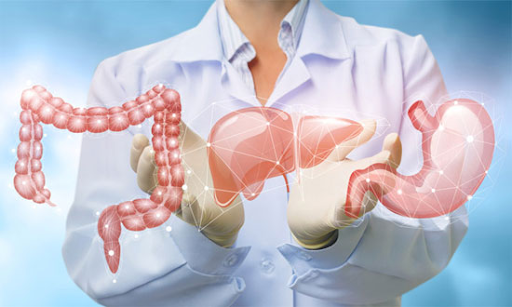
Recovery after gastrointestinal (GI) surgery is a gradual process that involves physical healing, careful monitoring, and lifestyle adjustments. The body requires time to regain strength, while the digestive system slowly returns to normal function. Understanding this process helps patients and caregivers support recovery with greater confidence. Patients undergoing GI cancer surgery in Delhi often follow a planned recovery pathway that focuses on both medical care and rehabilitation. This phase plays an important role in reducing complications and helping individuals return to daily life in a steady and safe manner.
What Happens Immediately After GI Surgery?
The first stage of recovery begins in the hospital, where patients are closely observed. Medical teams monitor vital signs, assess the surgical site, and ensure that the body is responding well after the procedure. This period is important for identifying any early concerns. Food intake is usually limited during this time. Patients may receive fluids through intravenous support until the digestive system starts functioning again. Movement is introduced gradually, with guidance from healthcare professionals. Sitting up or taking short walks helps improve circulation and supports early recovery.
Pain Management and Early Care
Discomfort is expected after GI surgery, but it is managed carefully to support healing. Doctors prescribe medication that helps control pain while allowing patients to move when required. Patients are guided on how to sit, rest, and move safely to avoid strain on the surgical area. Following basic care instructions and maintaining communication with the care team ensures that discomfort is addressed promptly and recovery remains on track.
Gradual Return to Eating and Digestion
The digestive system needs time to adjust after surgery. Food is reintroduced step by step, allowing the body to adapt without stress. The following practices are commonly followed during this phase:
- Liquid Diet: Patients usually begin with clear liquids to assess how well the digestive system responds.
- Soft Foods: Gradually, soft and easy-to-digest foods are introduced to support nutrition.
- Regular Meals: Once tolerated, patients move towards a balanced diet based on medical advice.
- Meal Frequency: Smaller, frequent meals are preferred to reduce digestive discomfort.
- Hydration: Adequate fluid intake supports healing and maintains digestive balance.
Following these steps helps improve tolerance to food and supports steady recovery of digestive function.
Physical Recovery and Regaining Strength
Physical recovery takes time, and patients may feel tired during the initial weeks. Gradual activity helps improve strength and overall well-being. The approach to physical recovery usually includes:
- Light Movement: Short walks are encouraged early to improve circulation.
- Activity Progression: Activity levels are increased slowly based on comfort and medical advice.
- Avoiding Strain: Heavy lifting and intense effort are restricted during early recovery.
- Guided Exercises: Physiotherapy may be suggested in some cases to support movement.
These steps help patients regain strength safely without placing unnecessary stress on the body.
Emotional Adjustment After Surgery
Recovery after GI surgery also involves emotional changes. It is common for patients to experience concern or uncertainty during this period, especially after major procedures. Emotional well-being is an important part of overall recovery. Support from family members, caregivers, and healthcare professionals helps patients feel reassured. Open communication about concerns allows individuals to better understand their progress and remain engaged in their recovery journey.
Follow-Up Care and Monitoring
Follow-up care ensures that recovery continues in the right direction. Regular consultations help doctors assess healing and identify any concerns early. Patients are also advised to remain aware of their condition. Key aspects to monitor include:
- Persistent Discomfort: Ongoing pain that does not improve over time.
- Digestive Changes: Irregular bowel habits or difficulty in digestion.
- General Symptoms: Fever or unusual physical changes that require attention.
- Recovery Progress: Delays in regaining strength or routine activity levels.
For individuals who have undergone GI cancer surgery in Delhi, follow-up care may include additional evaluation based on the treatment plan. This supports continuity of care and long-term monitoring.
Lifestyle Changes for Long-Term Recovery
Long-term recovery often involves adopting habits that support overall health. These changes are introduced gradually and help maintain digestive balance. Common lifestyle adjustments include:
- Balanced Diet: Consuming nutritious meals that support healing.
- Regular Activity: Maintaining light to moderate physical activity.
- Adequate Rest: Ensuring proper sleep and recovery time.
- Routine Check-ups: Continuing medical follow-ups as advised.
These adjustments help patients return to daily life while maintaining long-term well-being.
Conclusion
Recovery and rehabilitation after GI surgery require time, patience, and consistent care. Each stage, from early monitoring to dietary adjustments and gradual physical activity, contributes to overall healing. Emotional support and regular follow-up also play an important role in recovery. With proper medical guidance and attention to daily habits, patients can steadily regain strength and improve their quality of life. A balanced approach helps individuals return to routine activities with greater confidence and long-term stability.
For more information, visit: https://officialadda.com